Being a Rebel

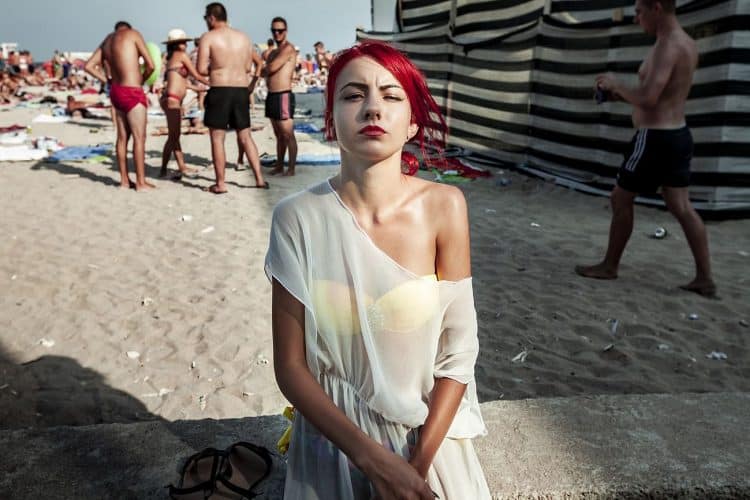
Most people believe they are rebels. They have not the slightest idea, however, what being a rebel actually means.

For some, being a rebel meant smoking weed, even though it was illegal, running away from home, disobeying their parents, dressing differently, drinking to excess, speeding, and so on.

This is the ordinary rebel: the malcontent who challenges everyone and everything without understanding why.

Rebellion, in this form, is most common during adolescence, when some young people try to test their own limits as well as those of the people around them. It is the age when some discover freedom, while others discover only that their parents will no longer let them come home after ten.

Not everyone is a rebel. No matter how powerful the attraction of the rebel myth may be, it is often defeated by the sheep’s need, within each of us, for a donkey to lead it.
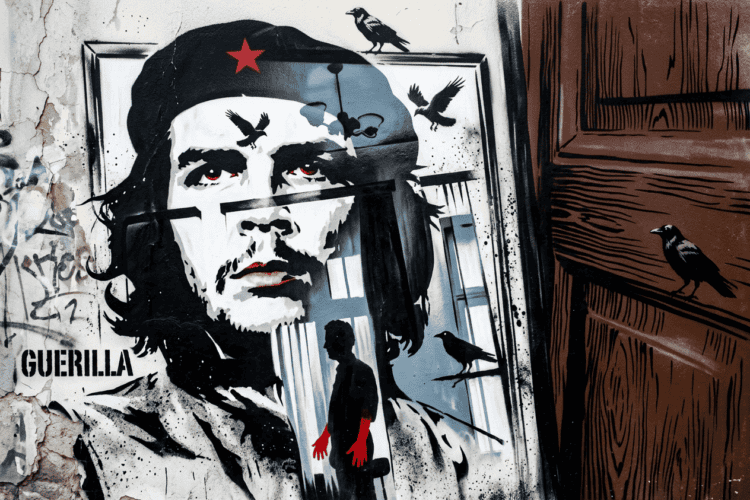
There is, however, another kind of rebel: the rebel with a cause. These rebels recognize the existence of an unjust order and try to reclaim their freedom, dignity, or voice.
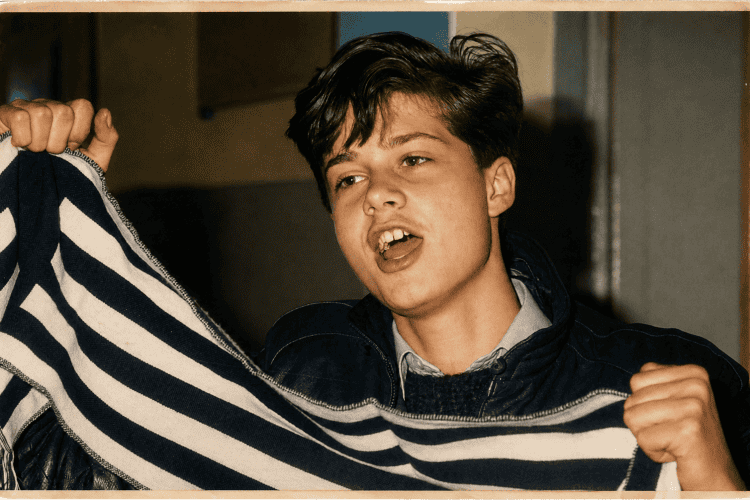
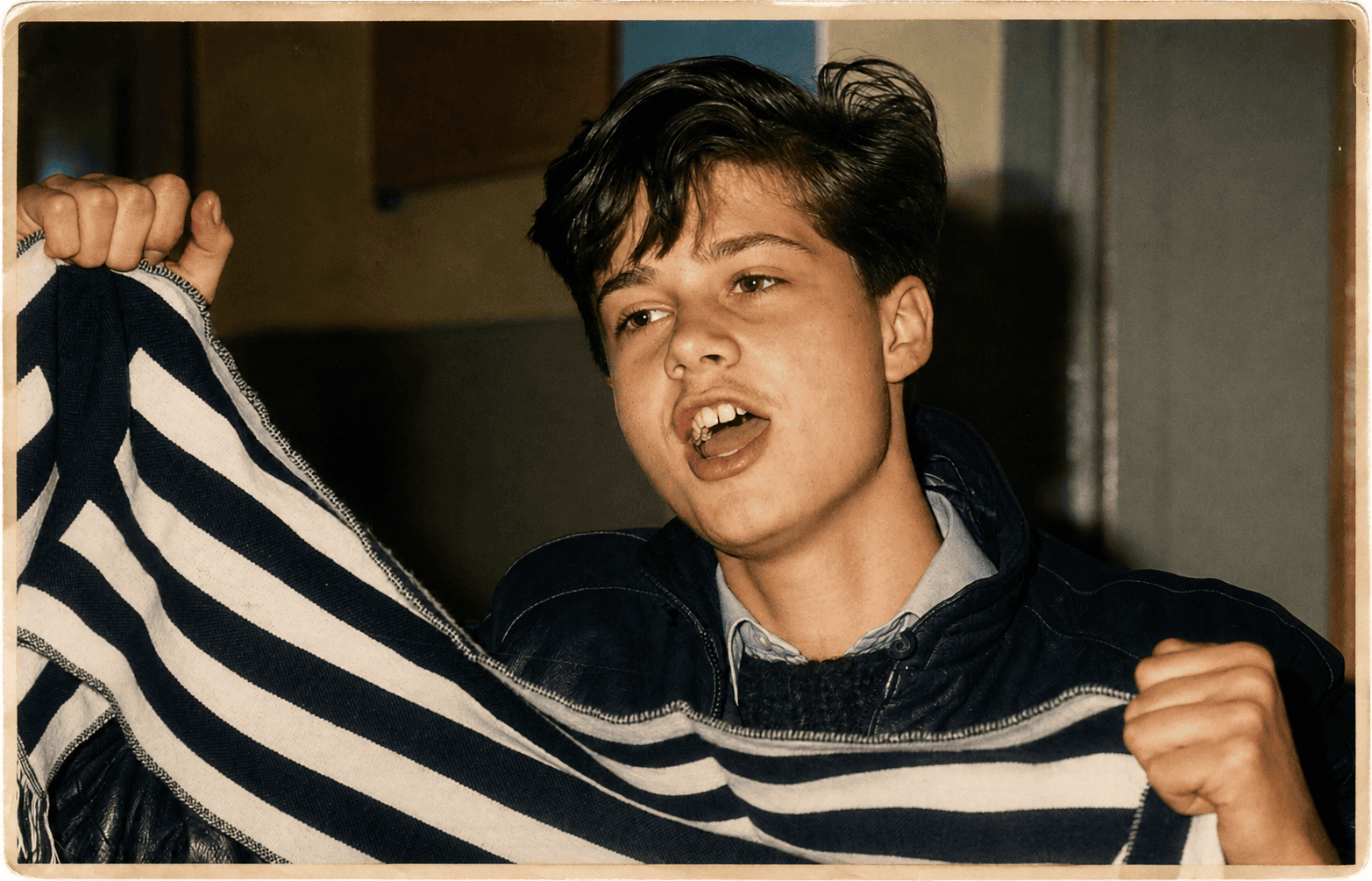
I have had a cause since I was young. The first thing I rebelled against was stupidity—and all its derivatives: the coward, the arriviste, and the impostor.

My rebellion has taken many forms and began expressing itself in childhood.

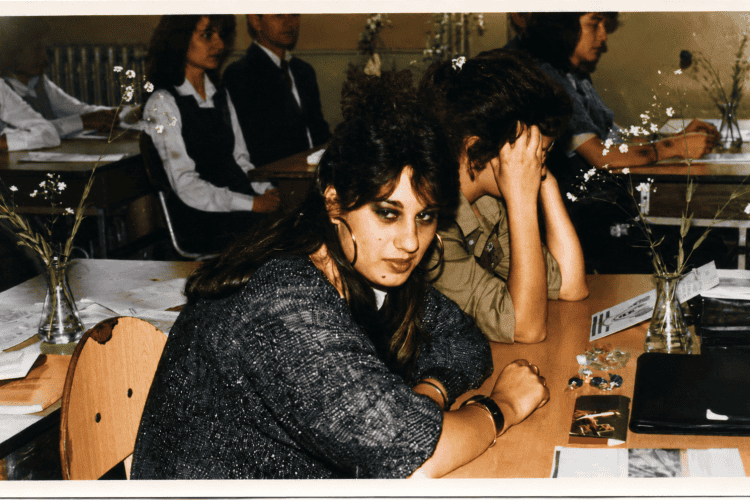
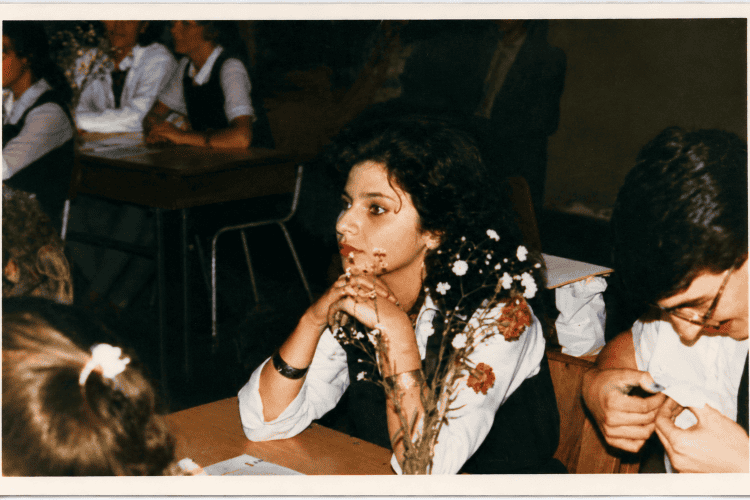
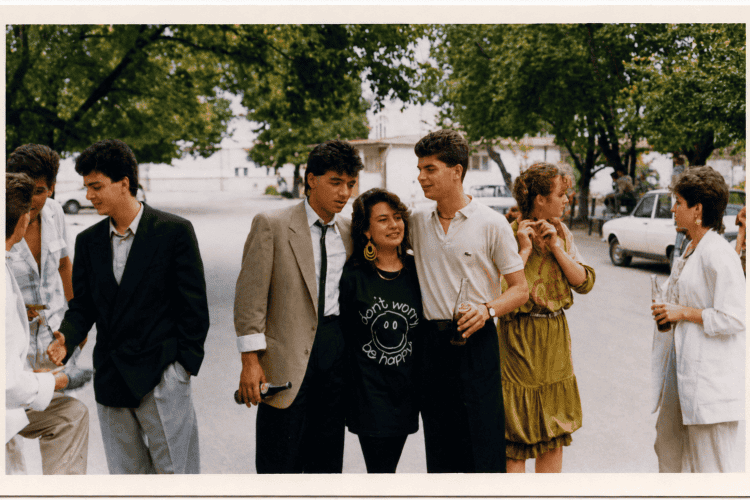
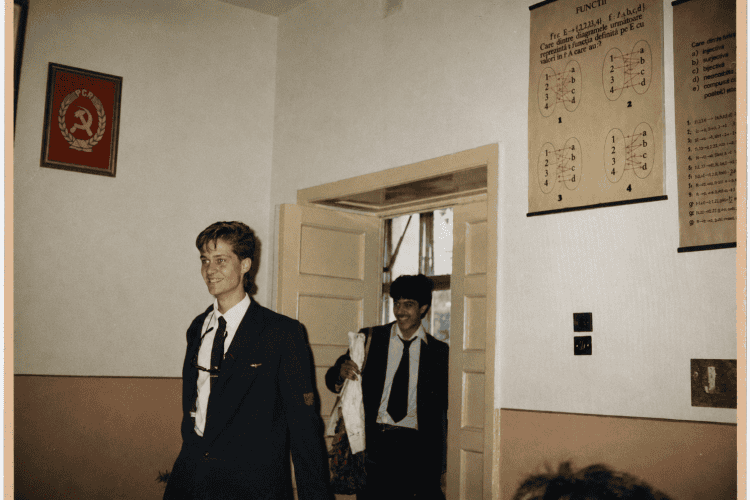
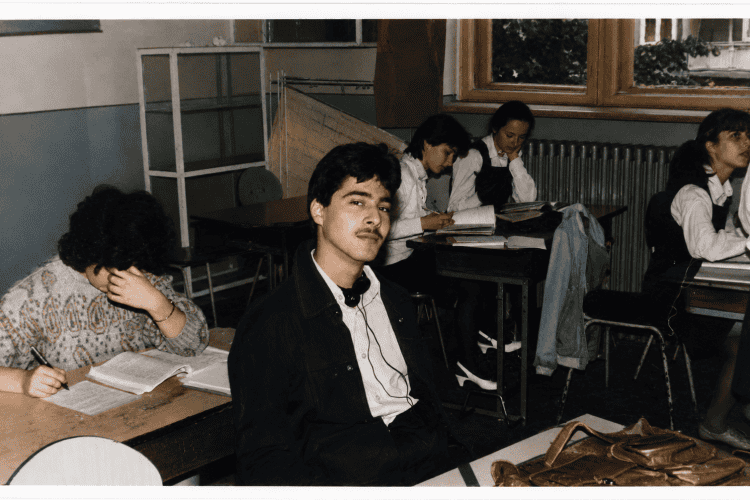
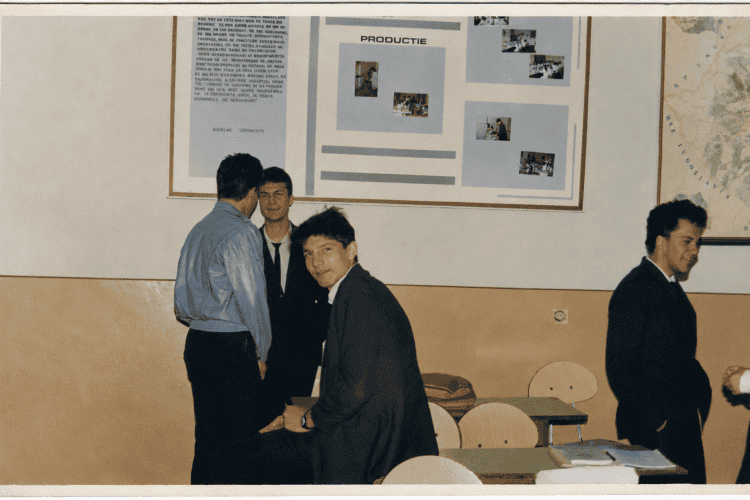
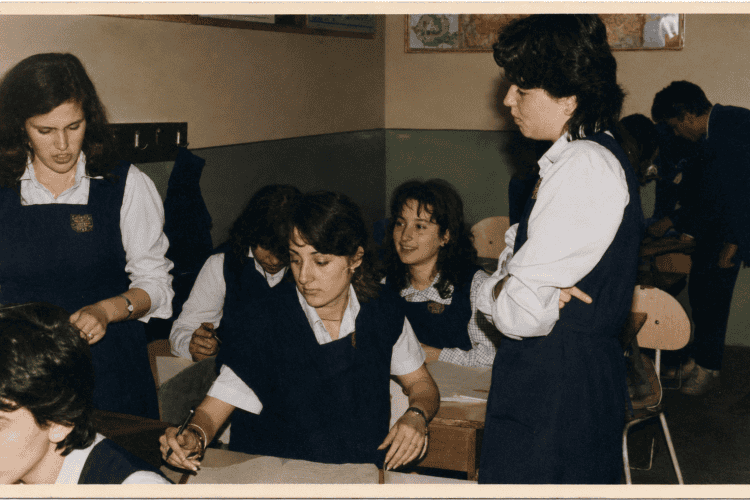
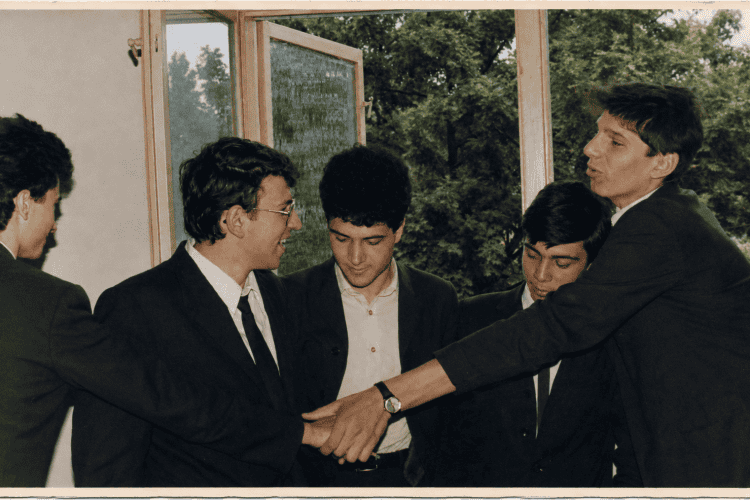
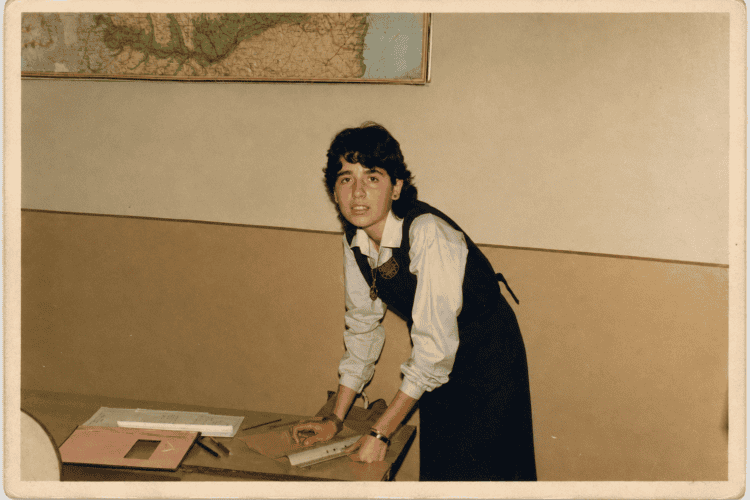
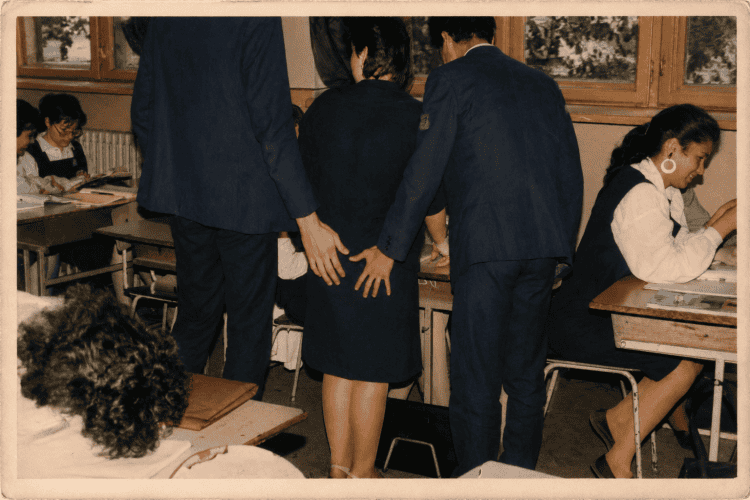
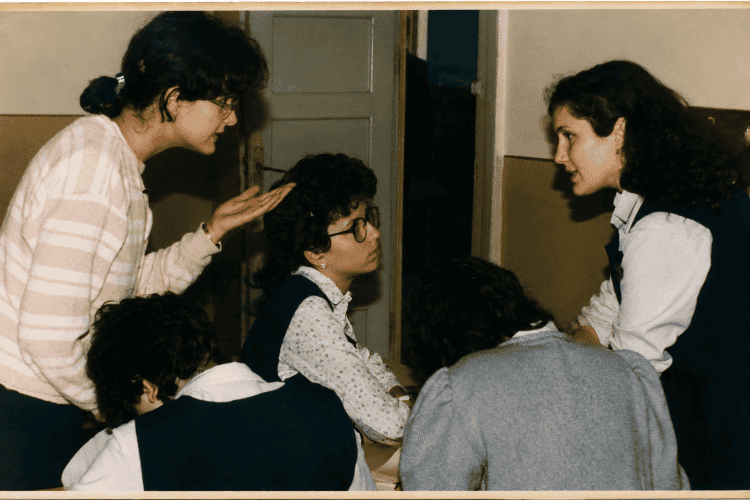
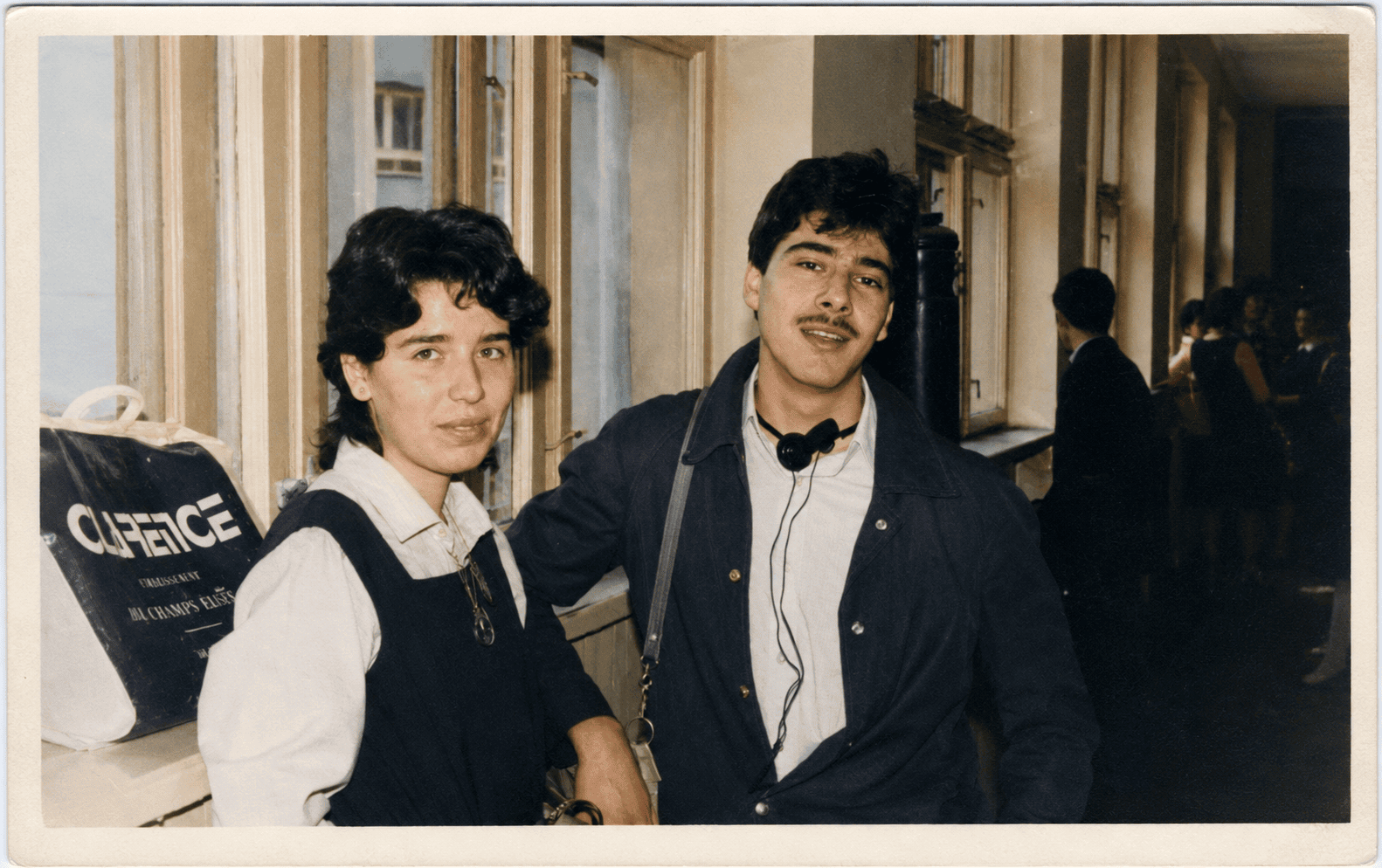
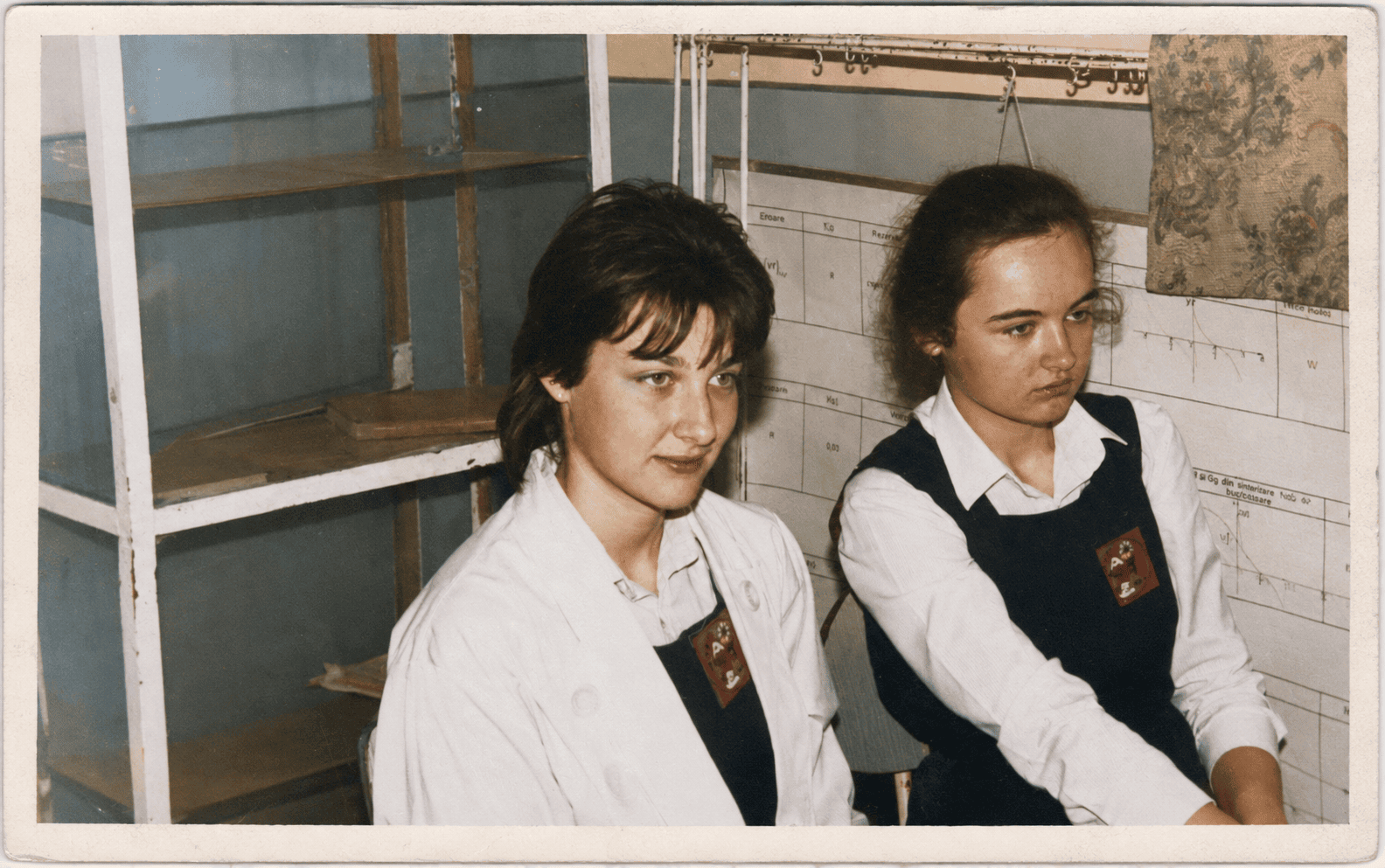
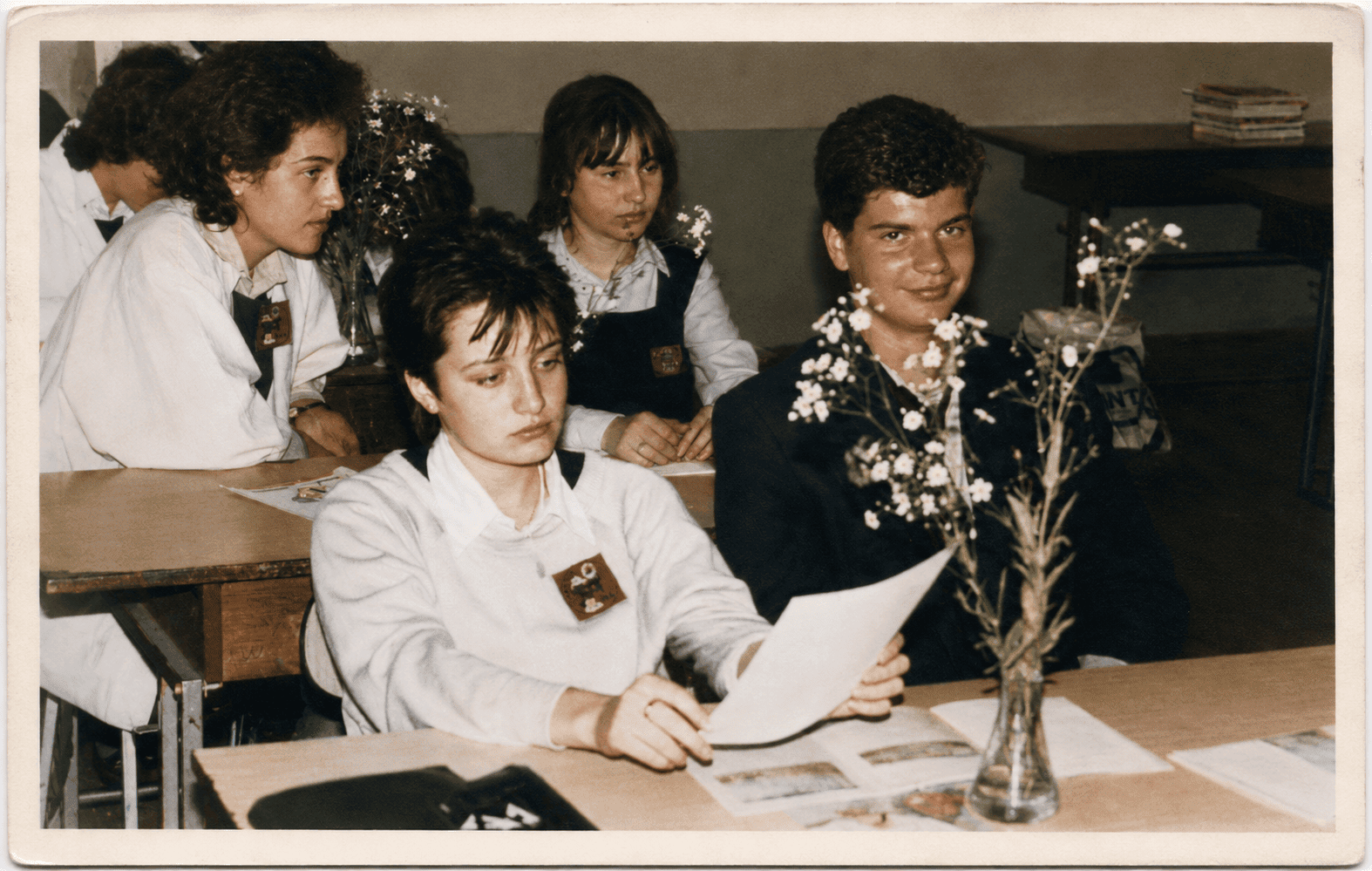
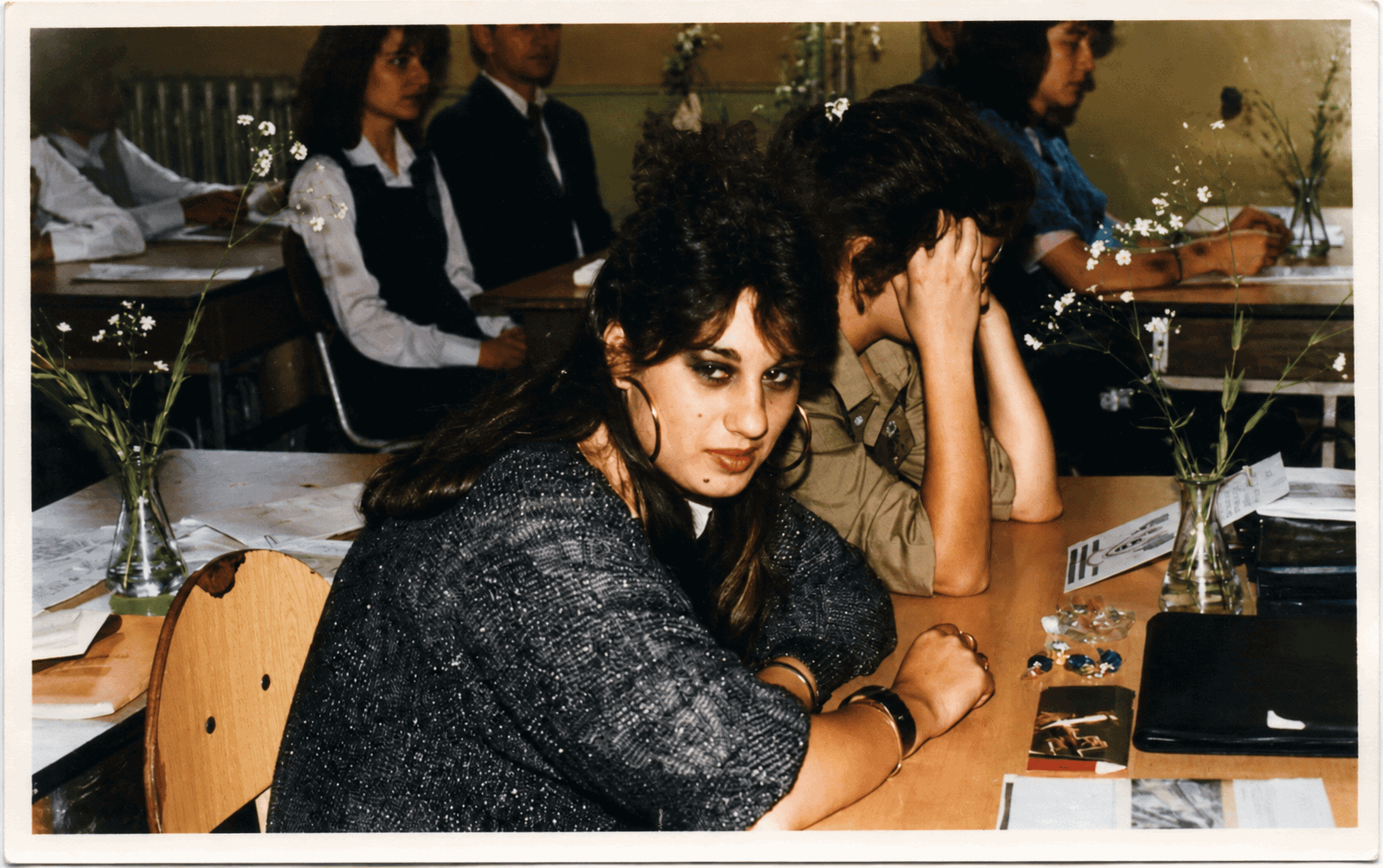
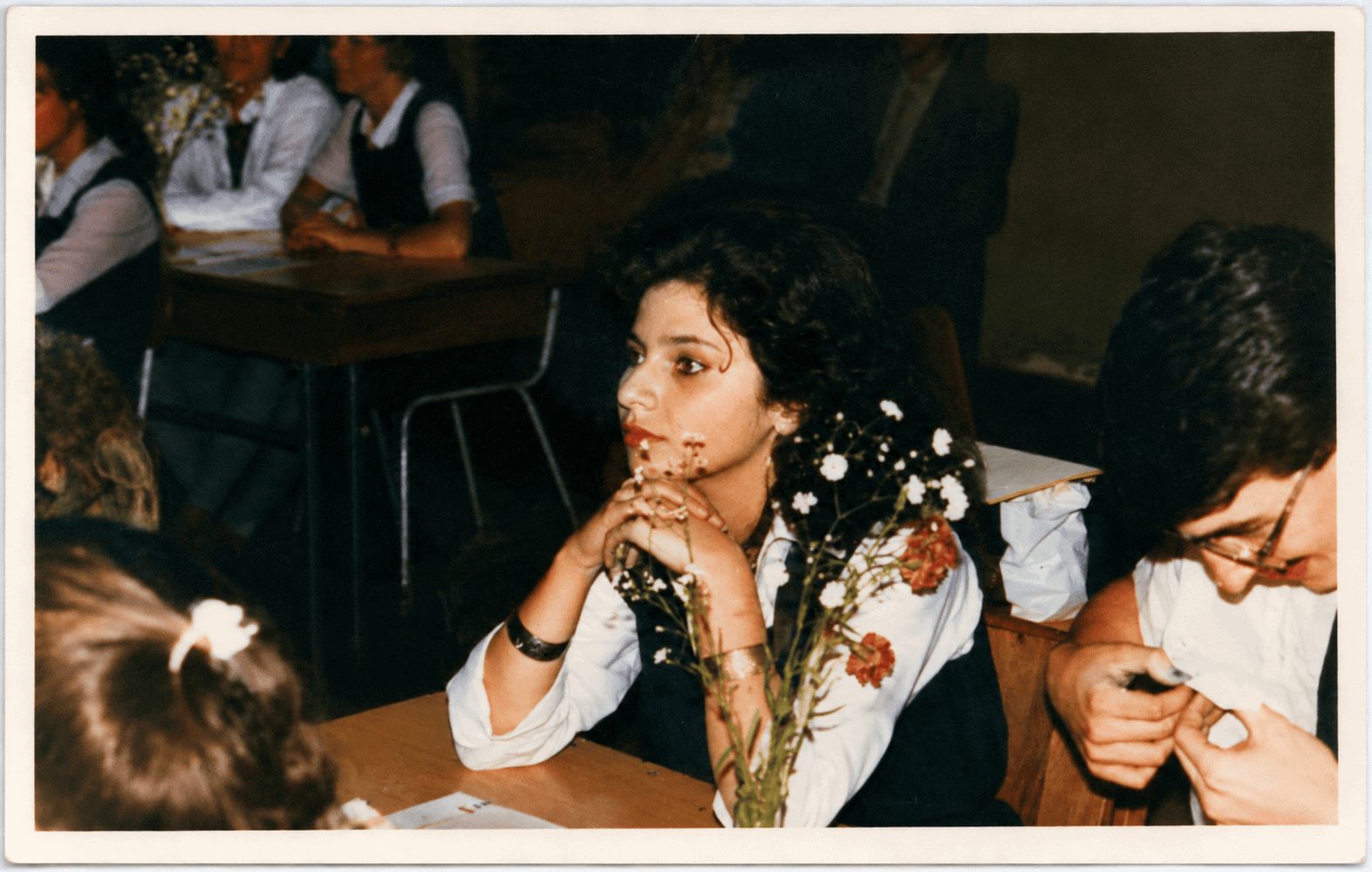
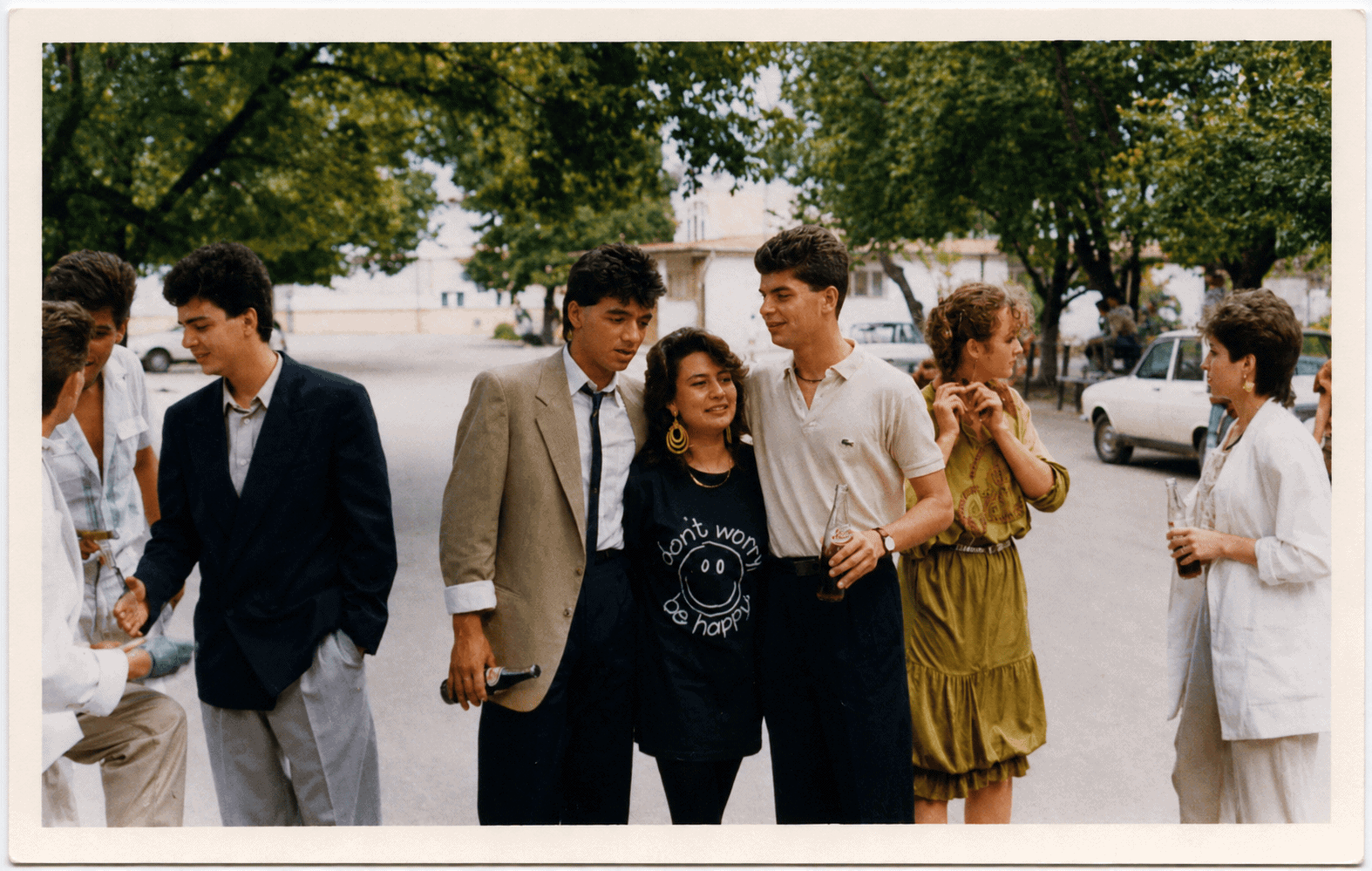
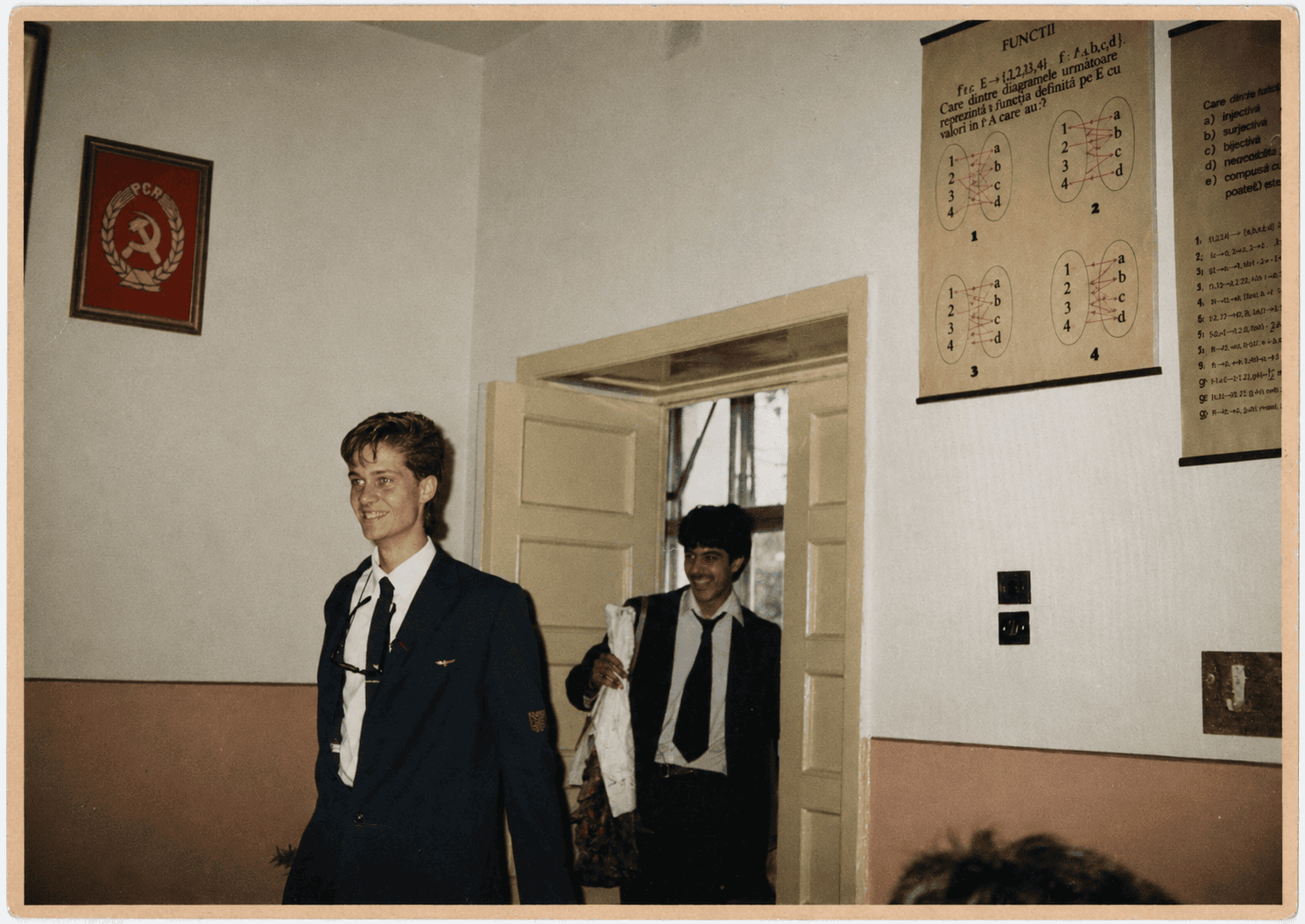
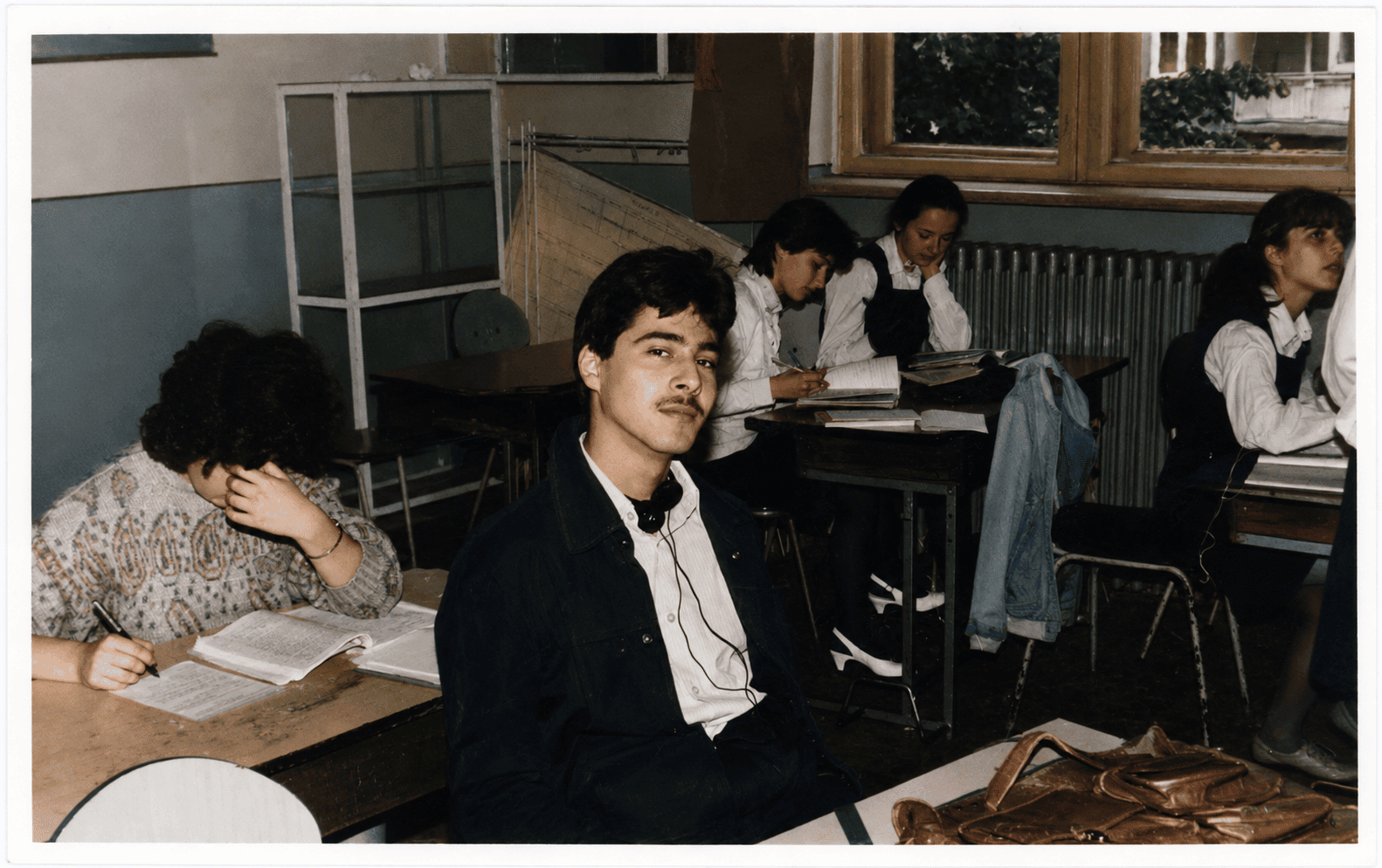
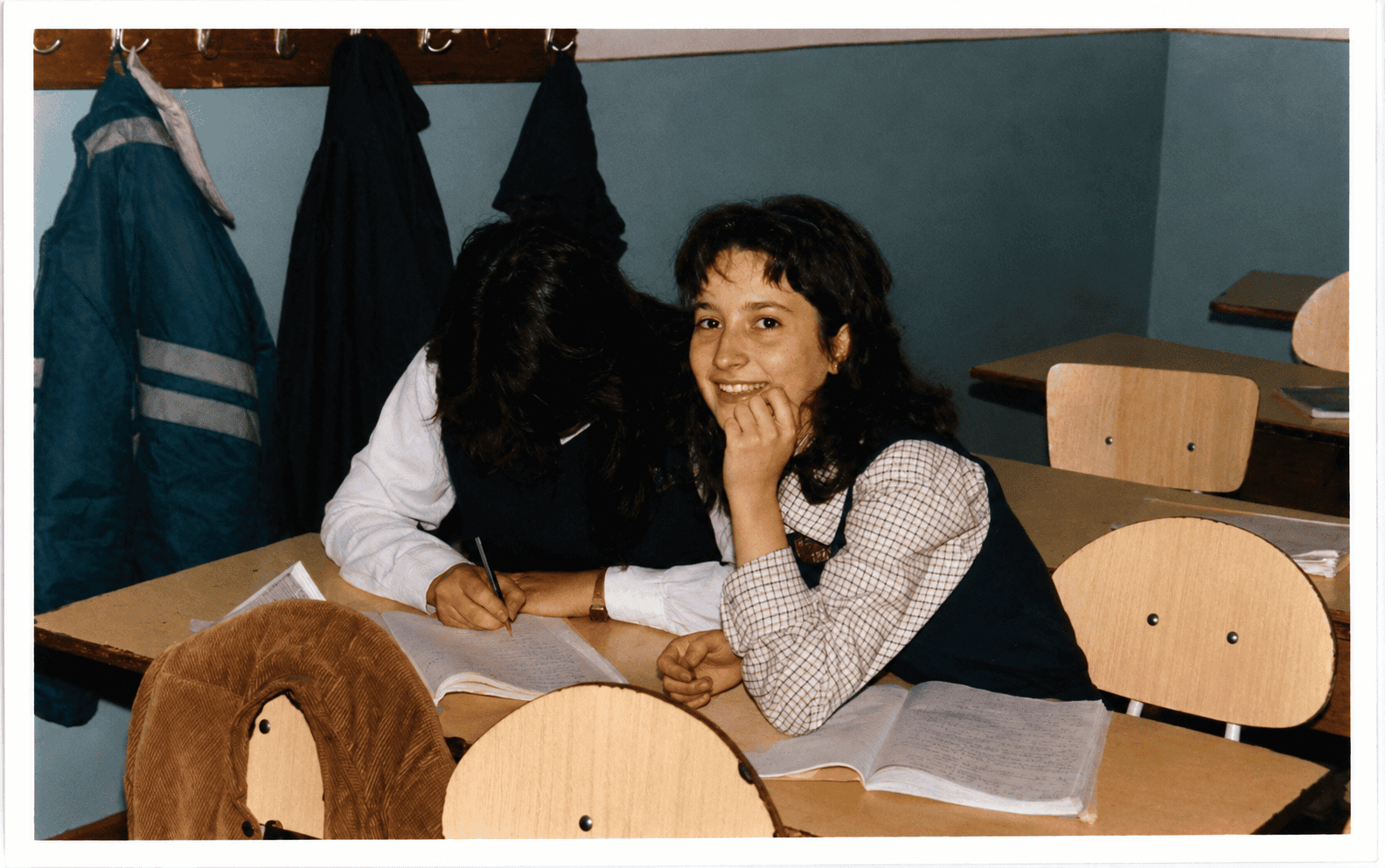
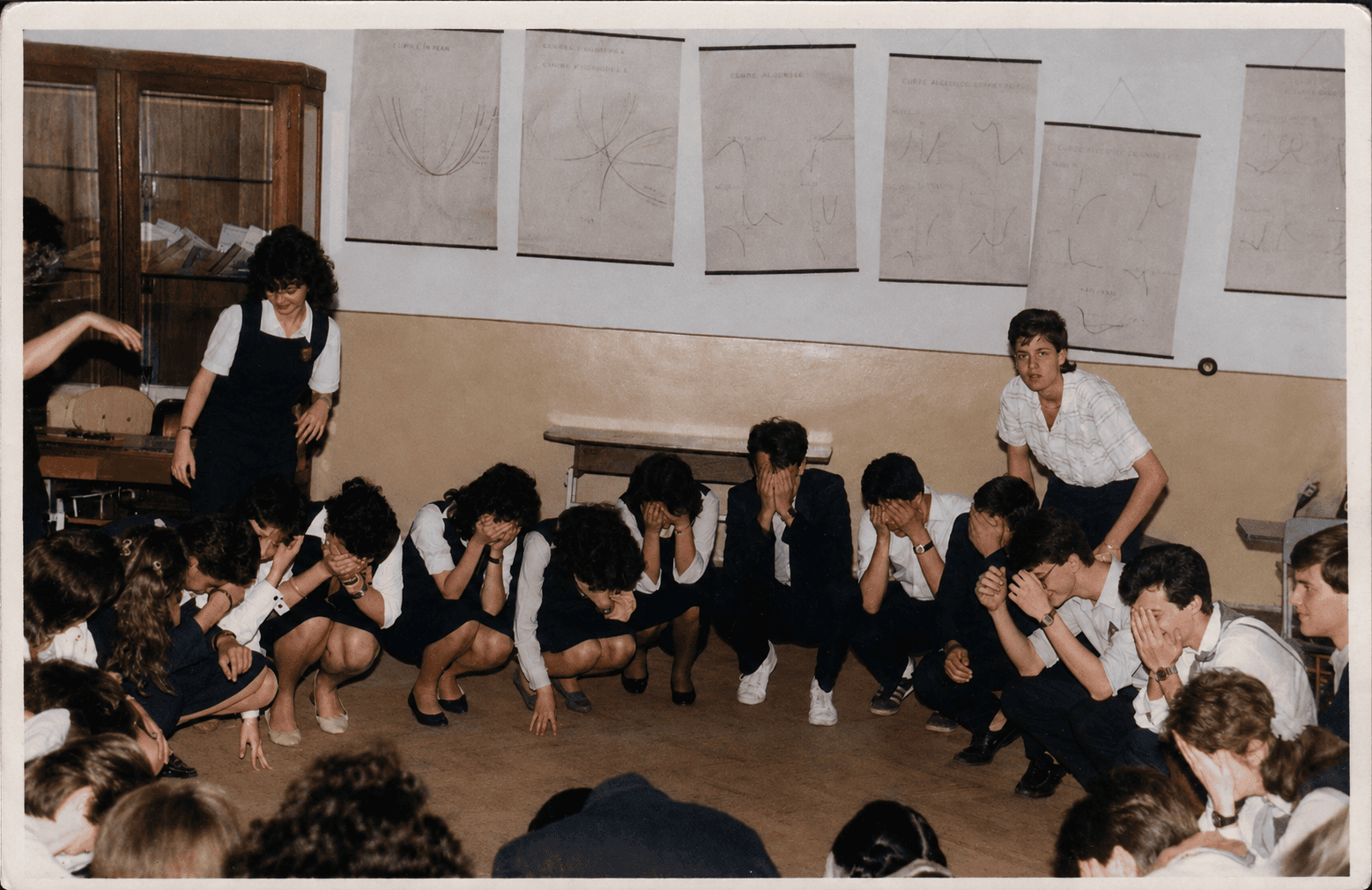
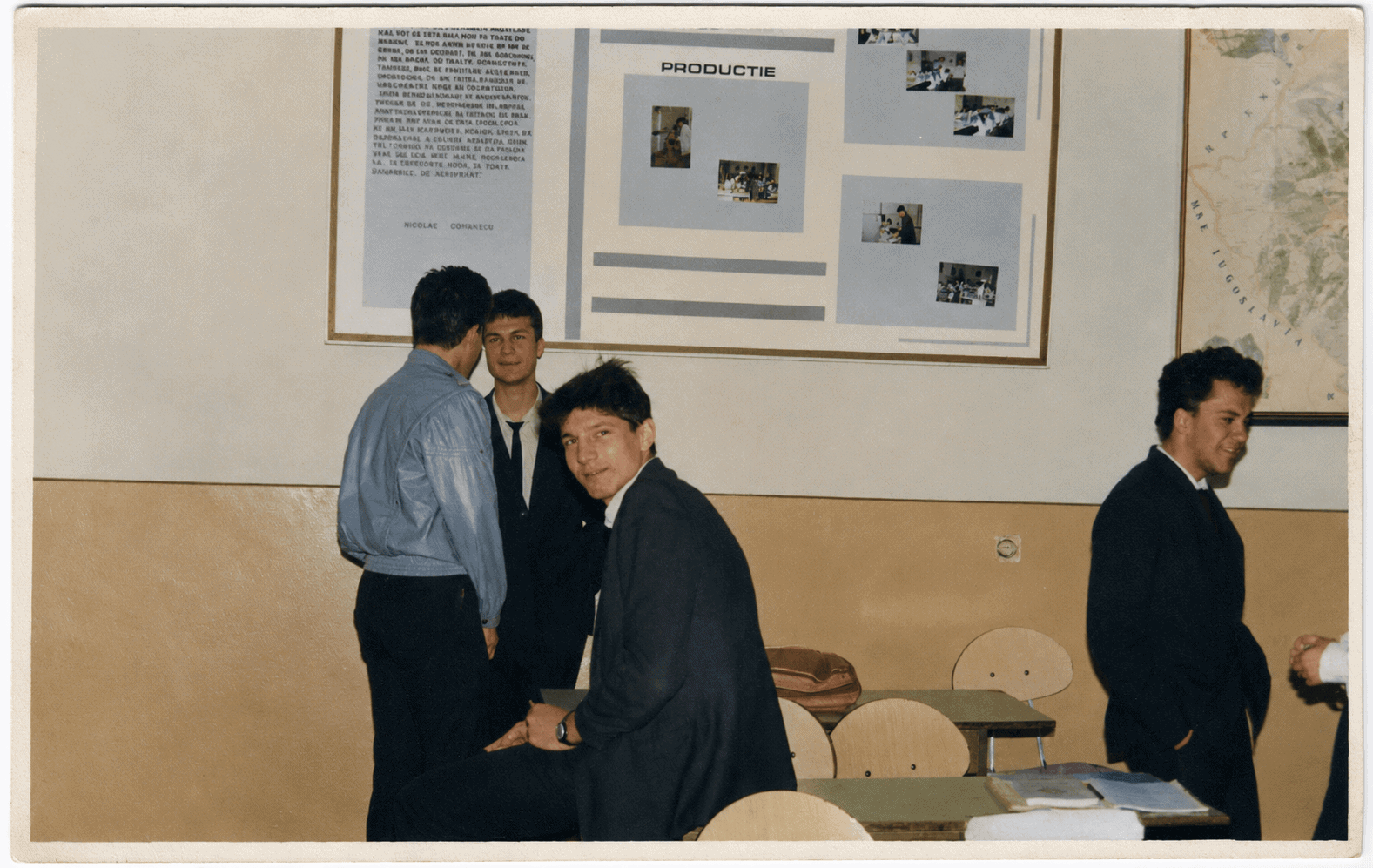
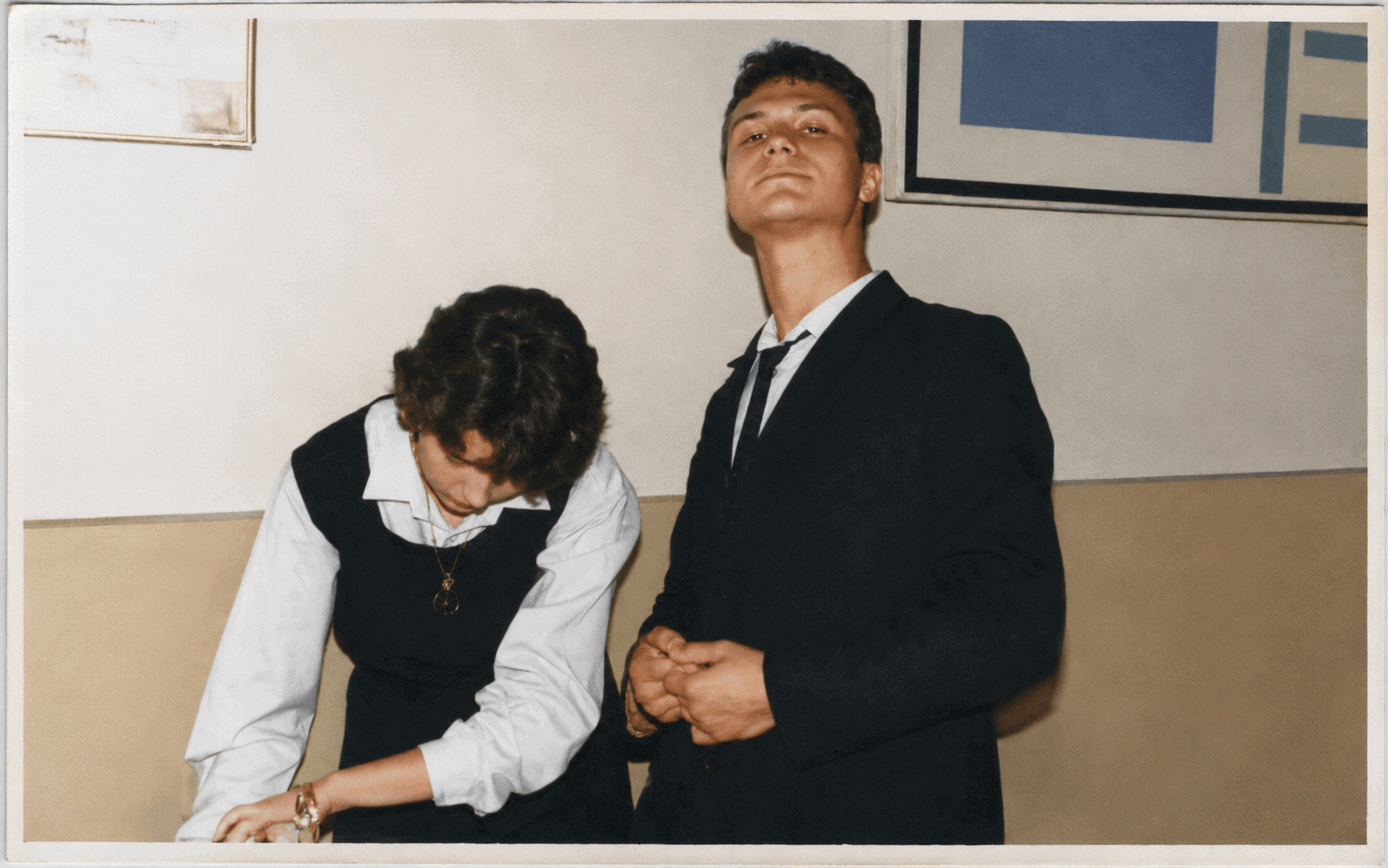
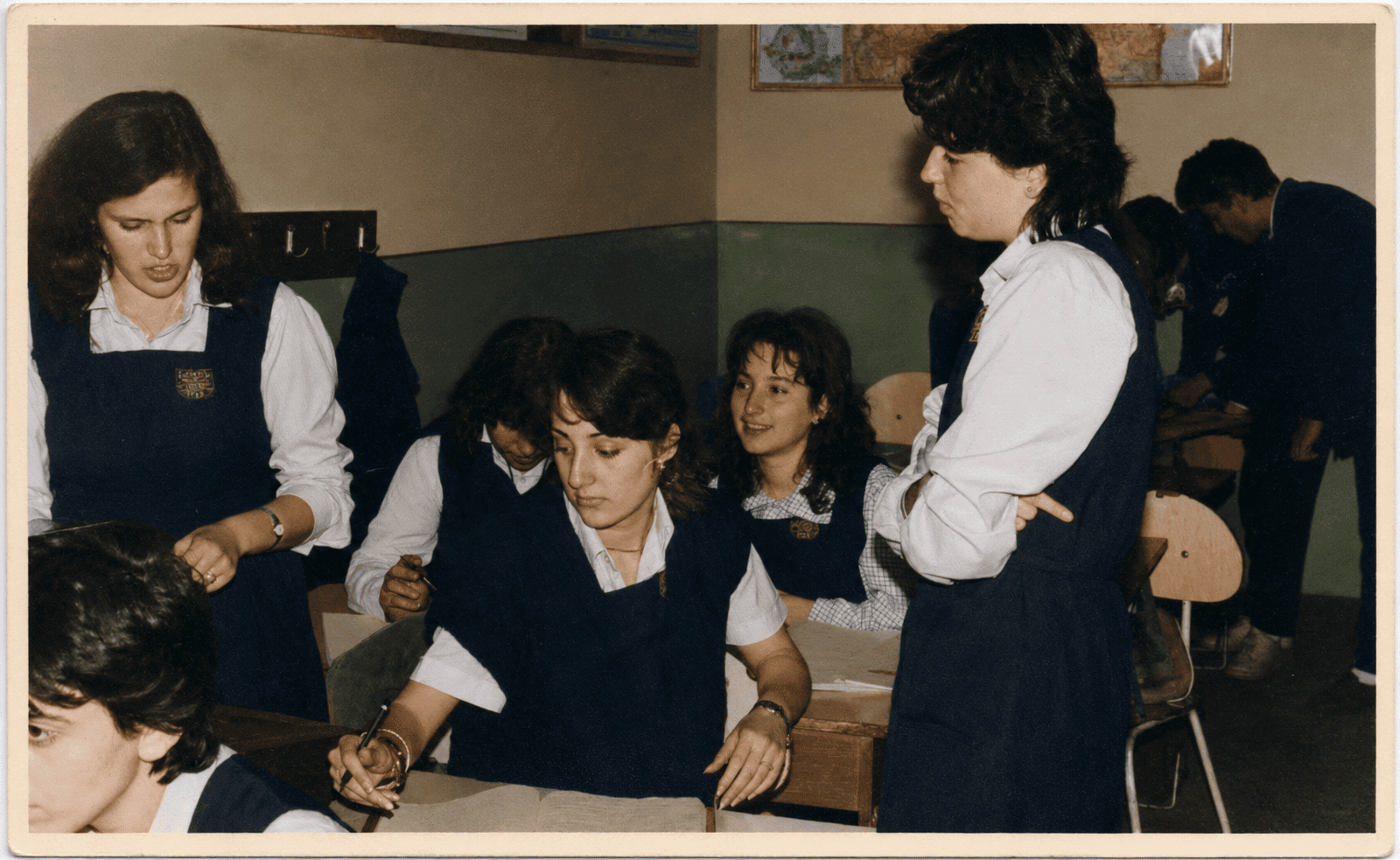
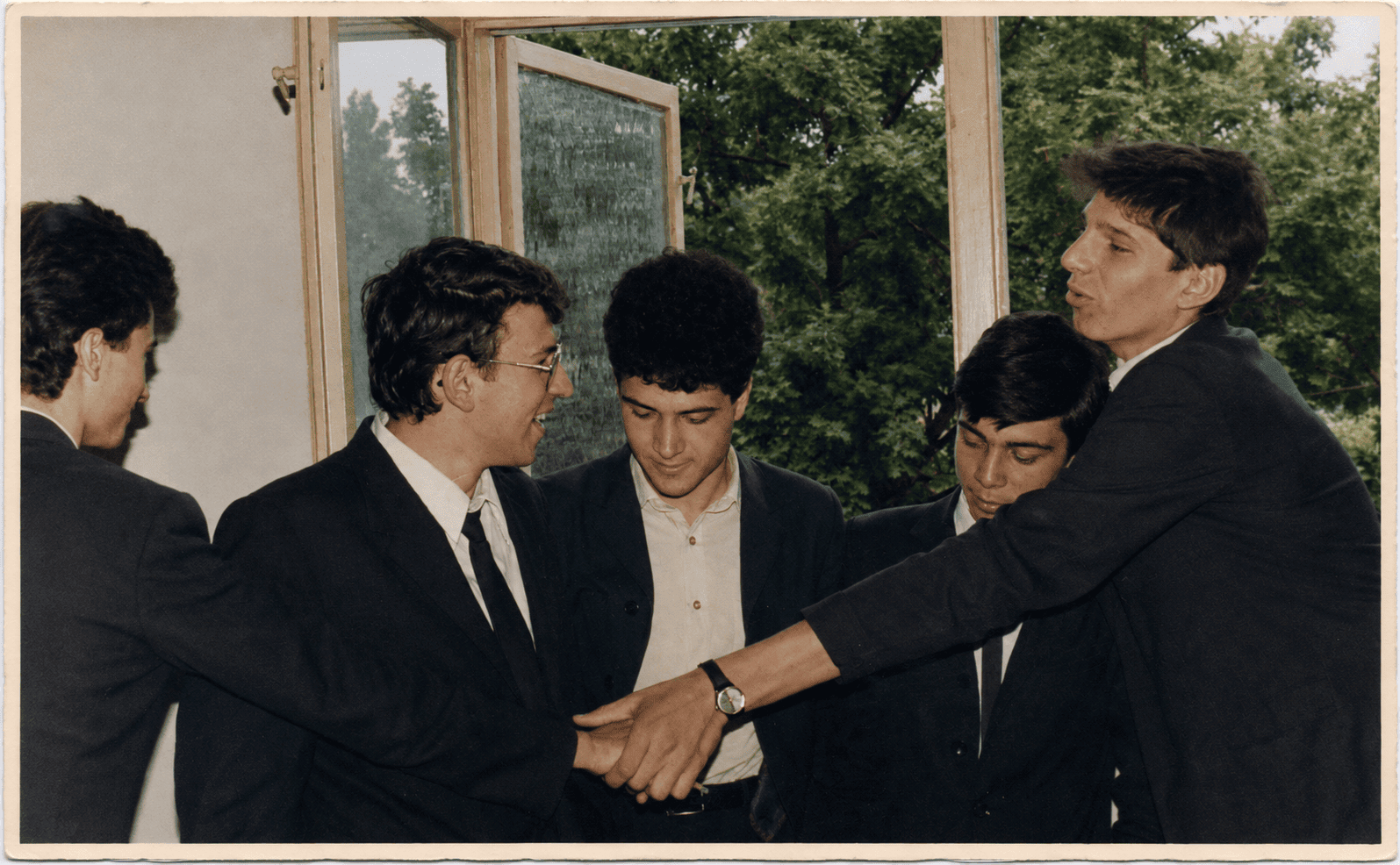
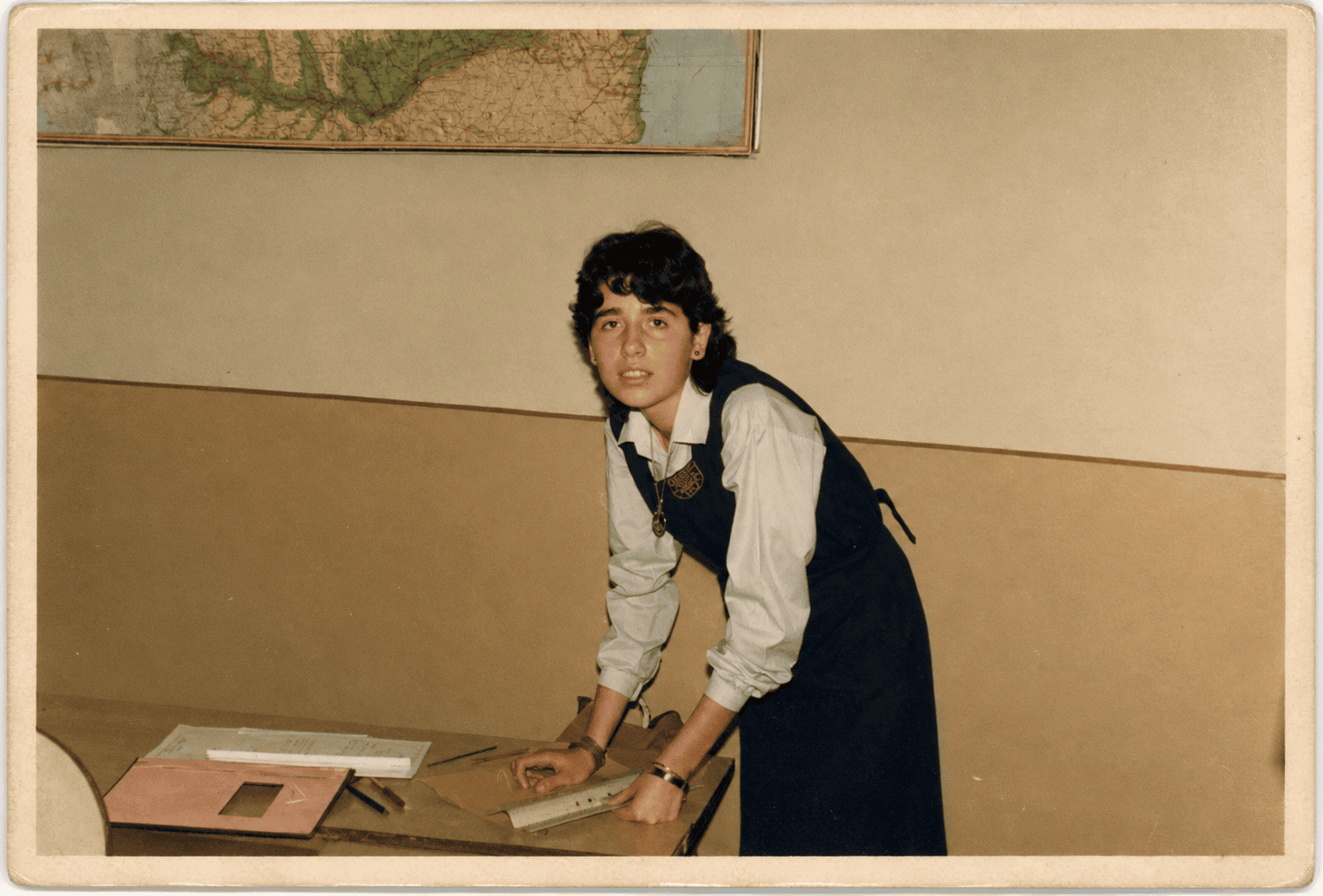
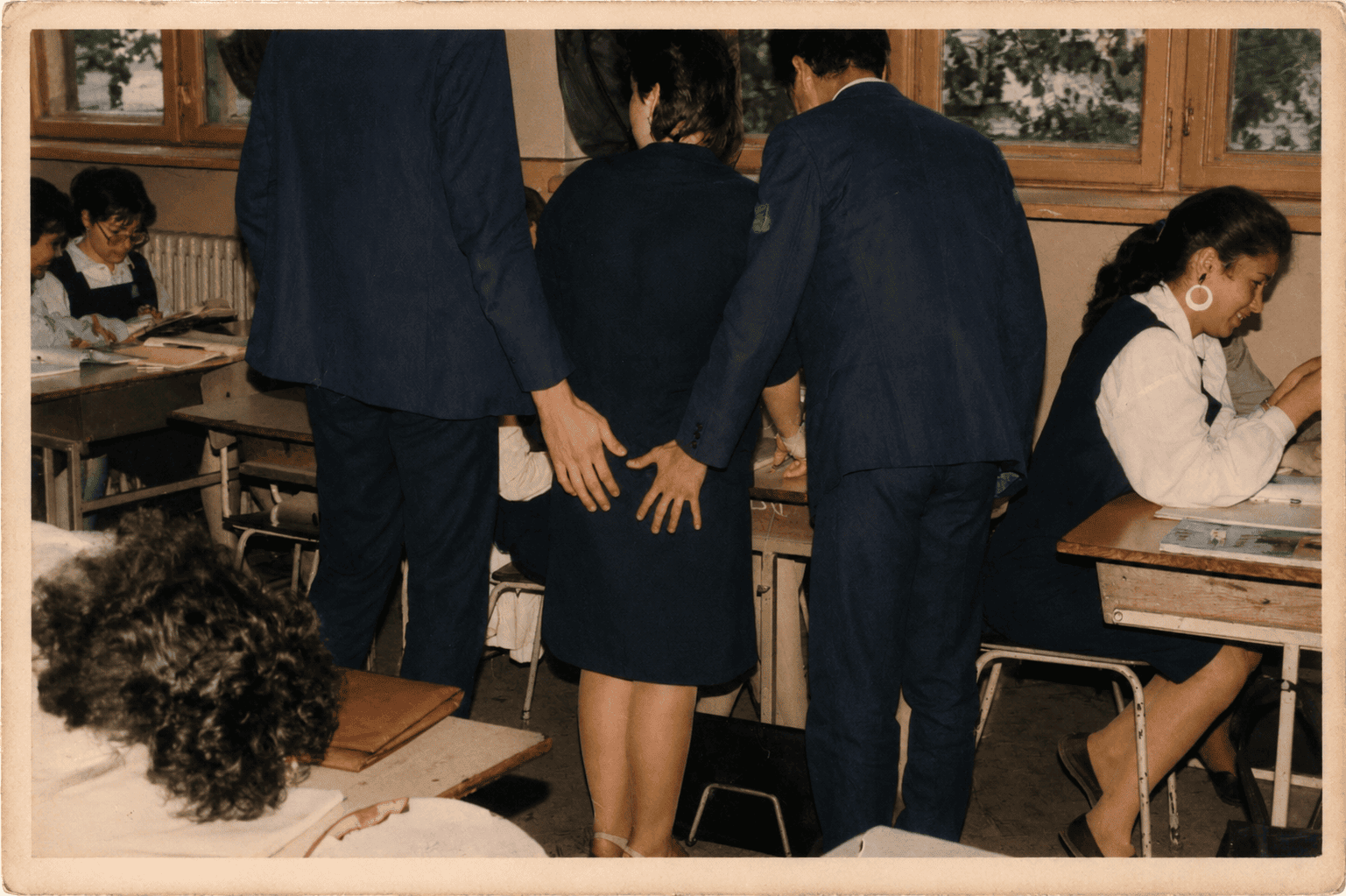
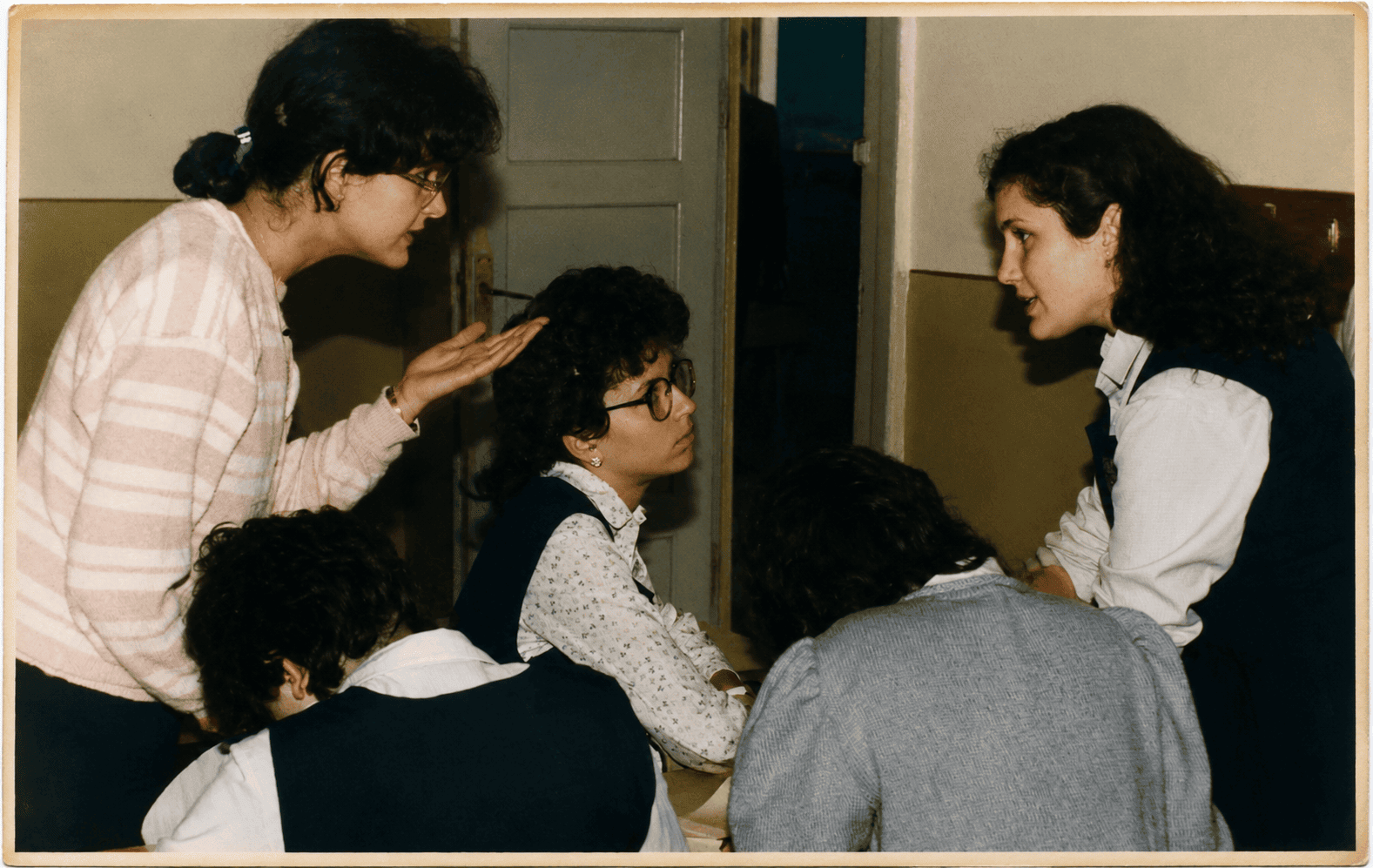
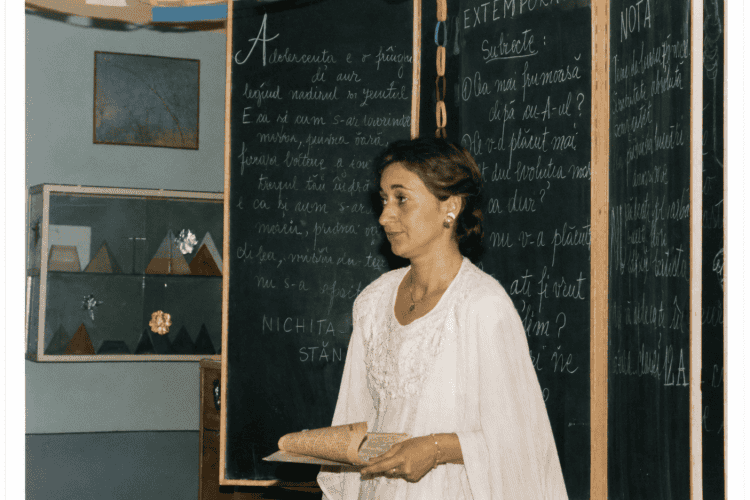
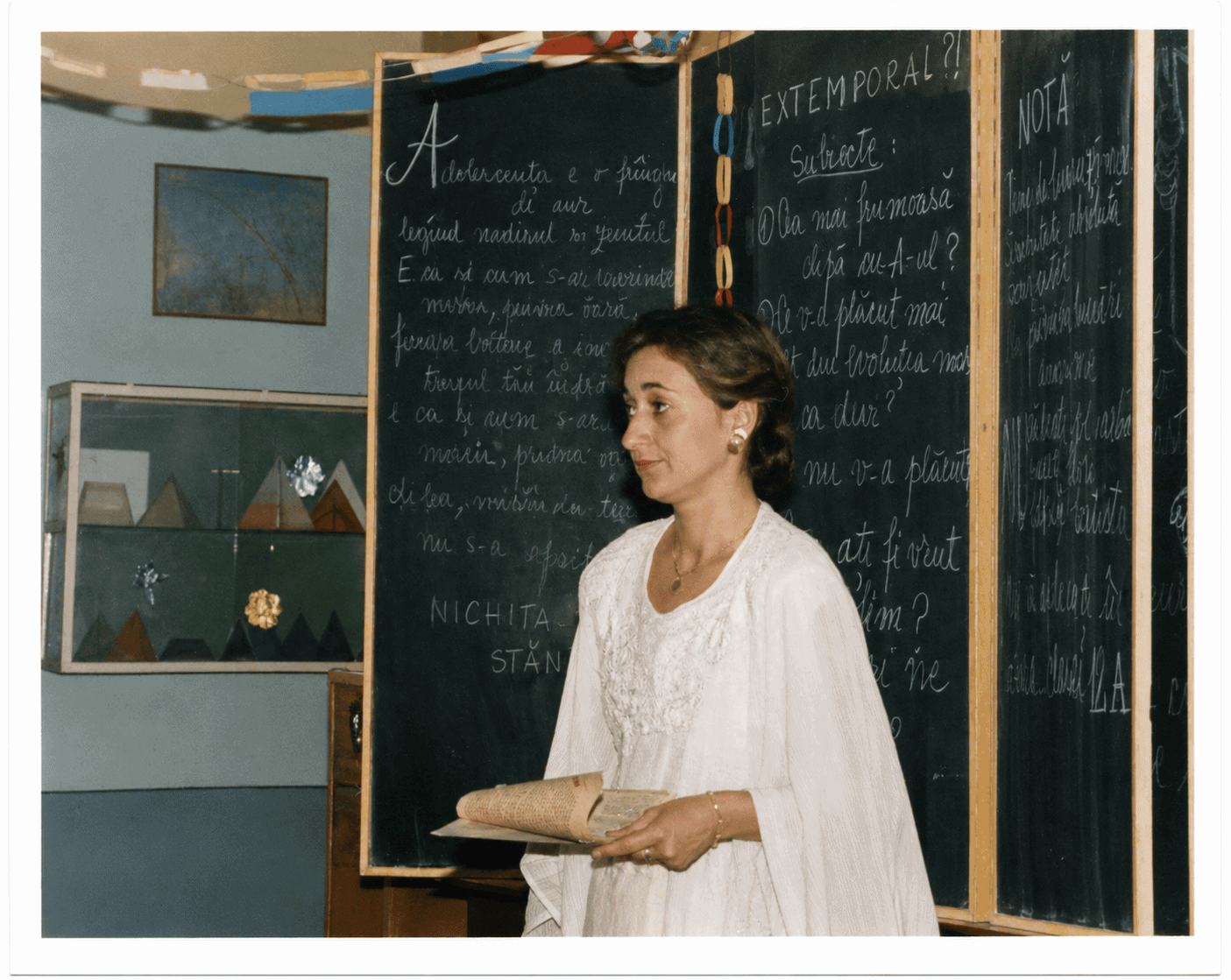
I remember being a student in Class 12A at I. L. Caragiale High School. My classmates included the children of people who were, quite literally, senior Securitate officials, pilots, party activists, propagandists, and other such figures indispensable to the construction of socialism.

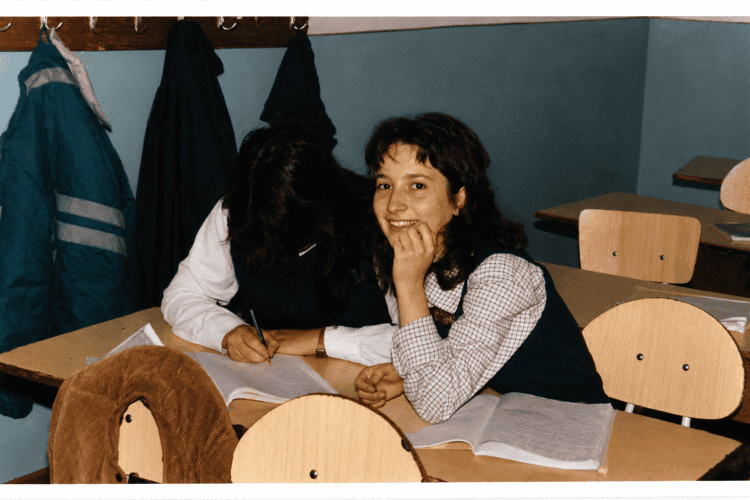
Apart from my desk mate, who was also the best student in the school—one of the best students in the country—I did not have much to say to the others.

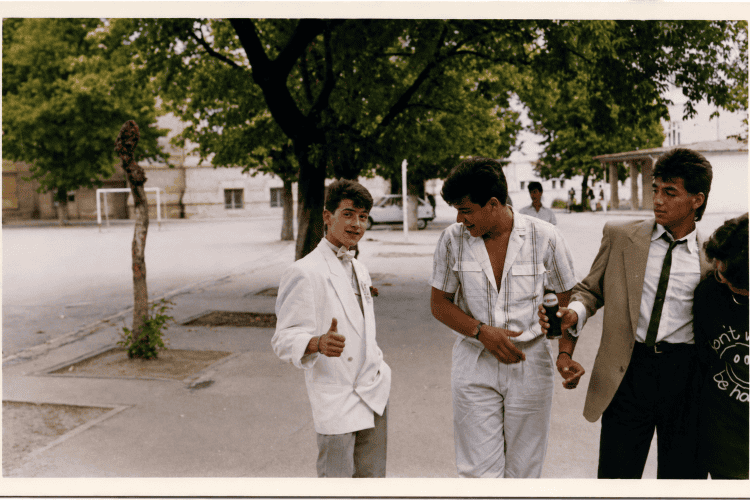
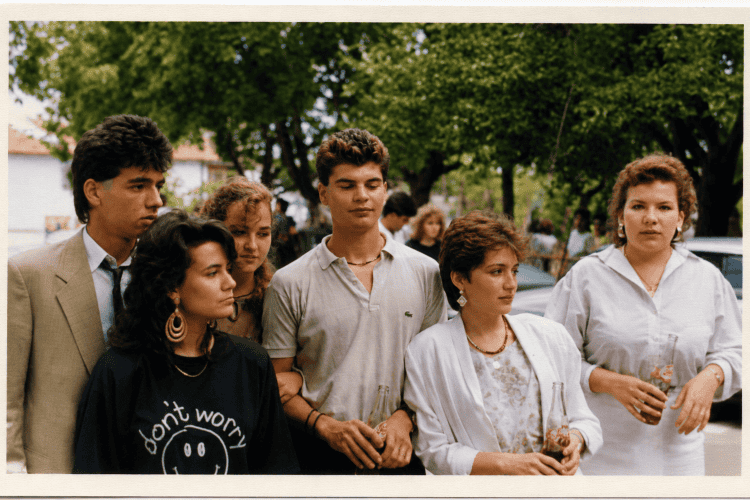
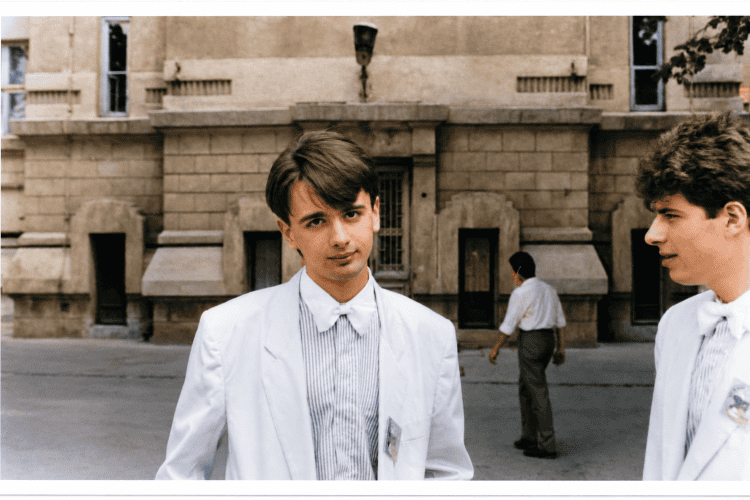
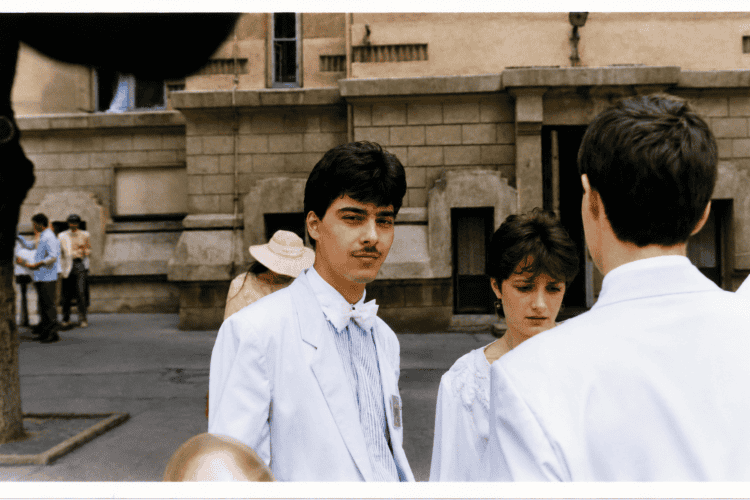
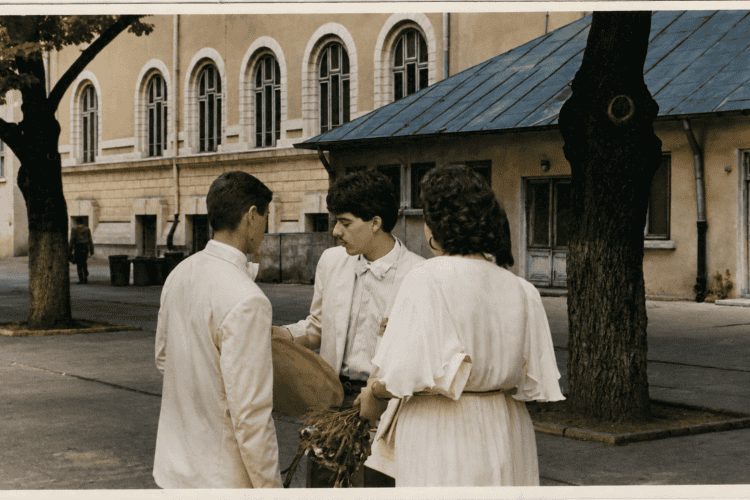
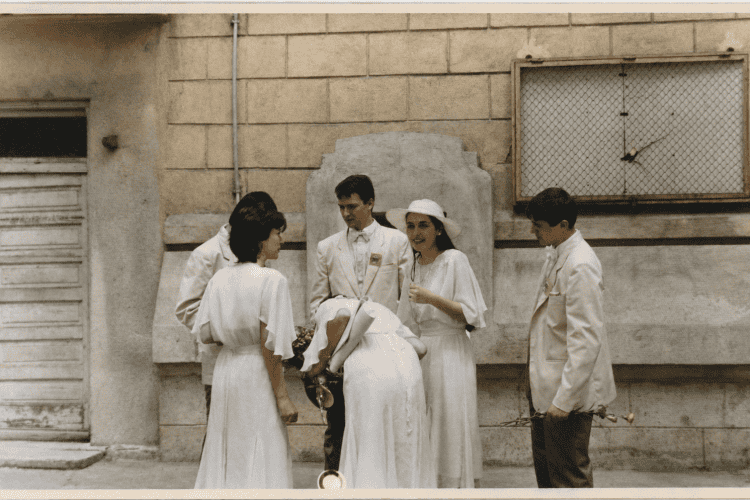
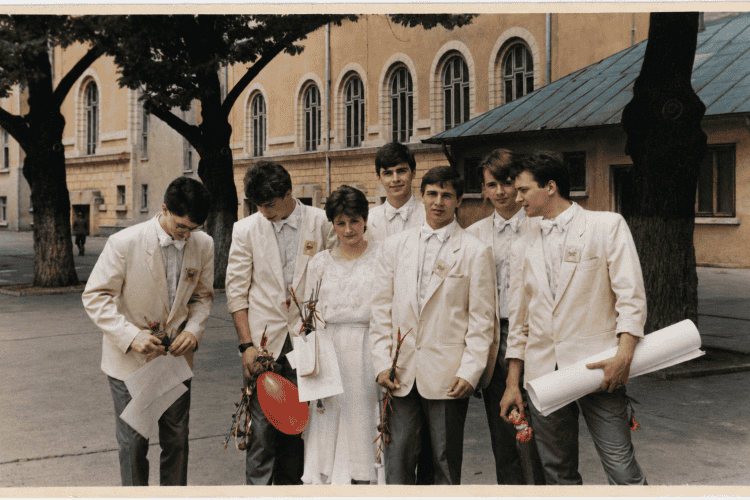
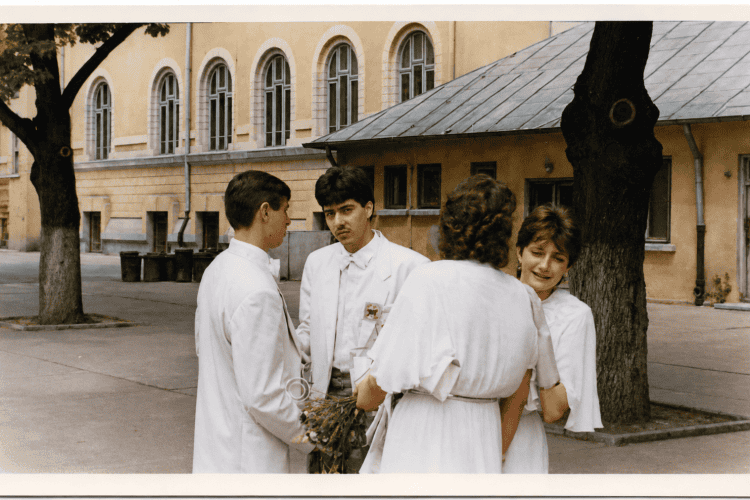
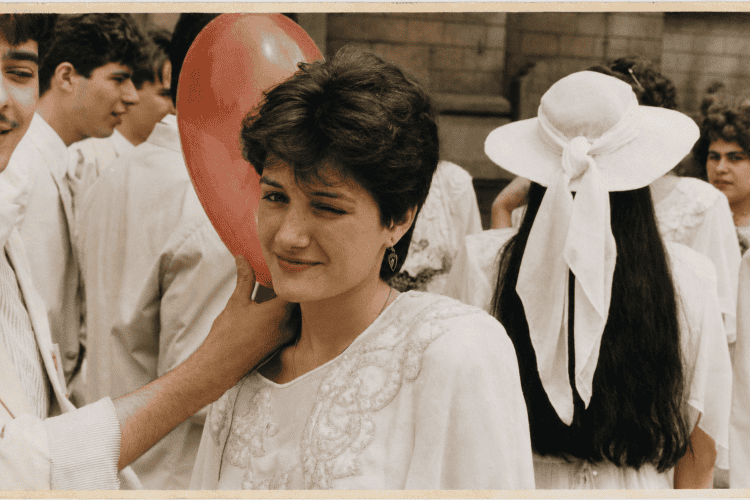
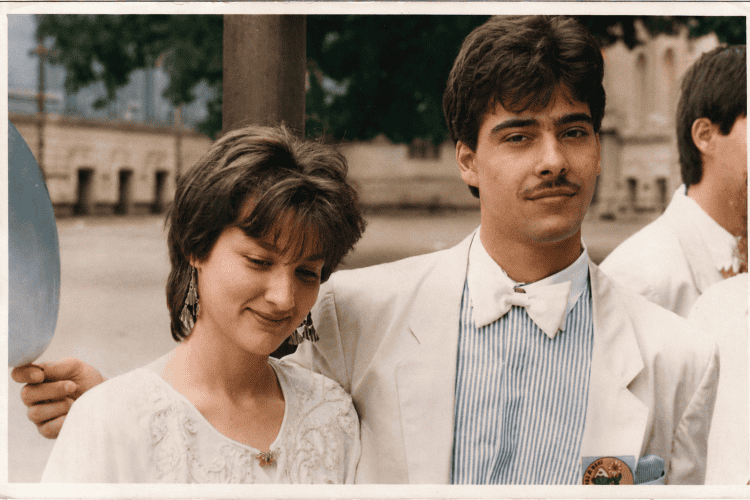
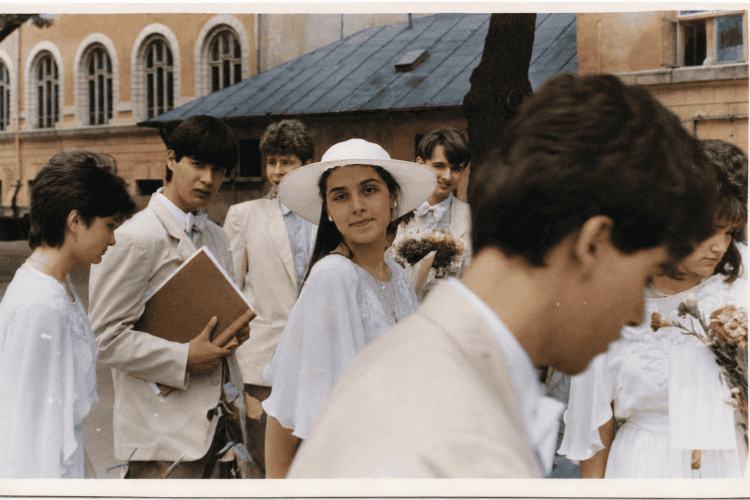
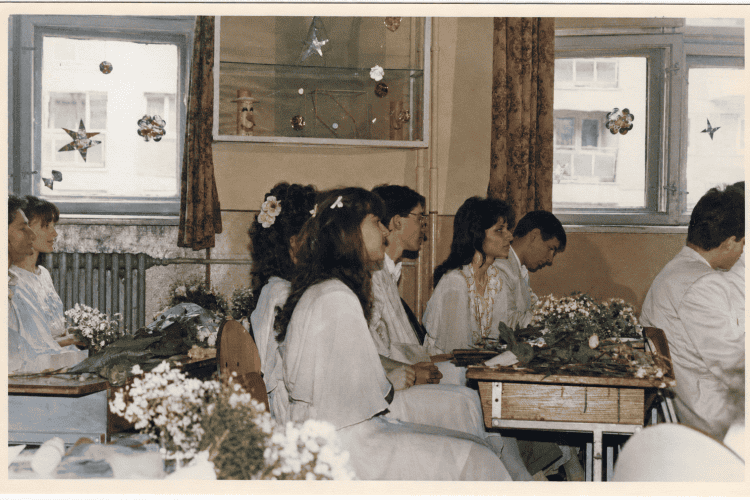
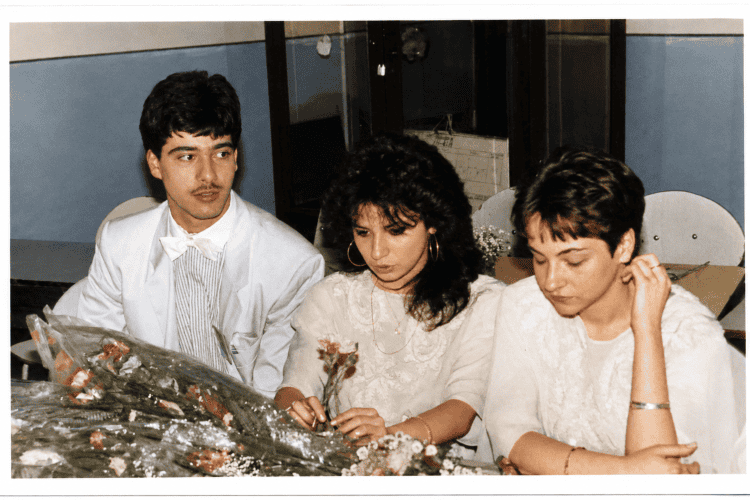
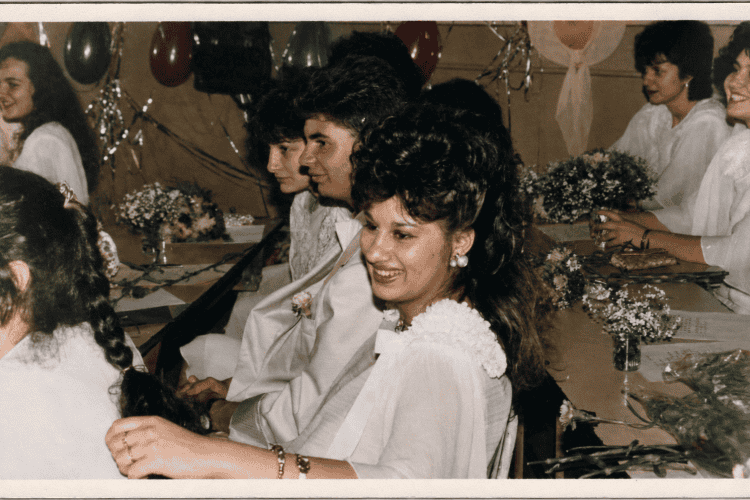
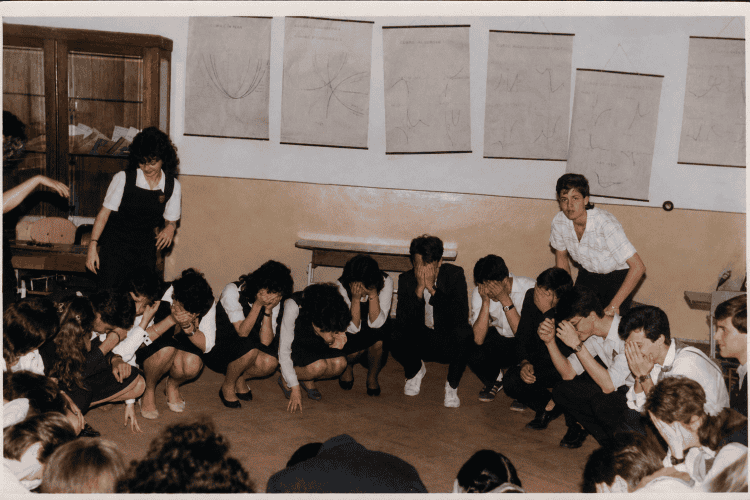
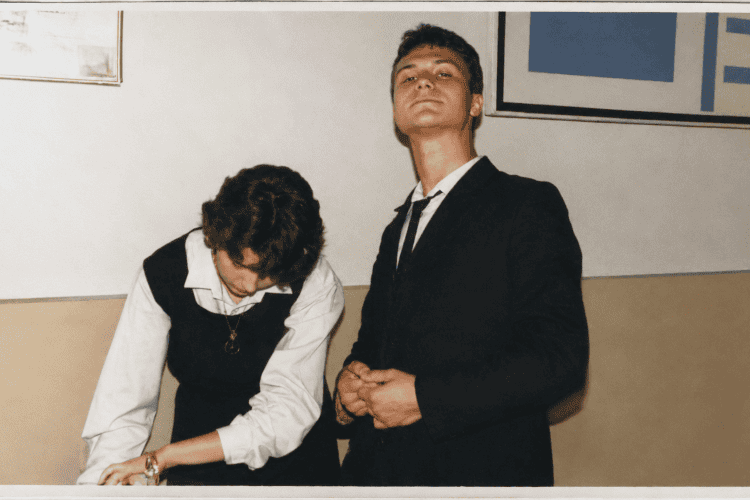
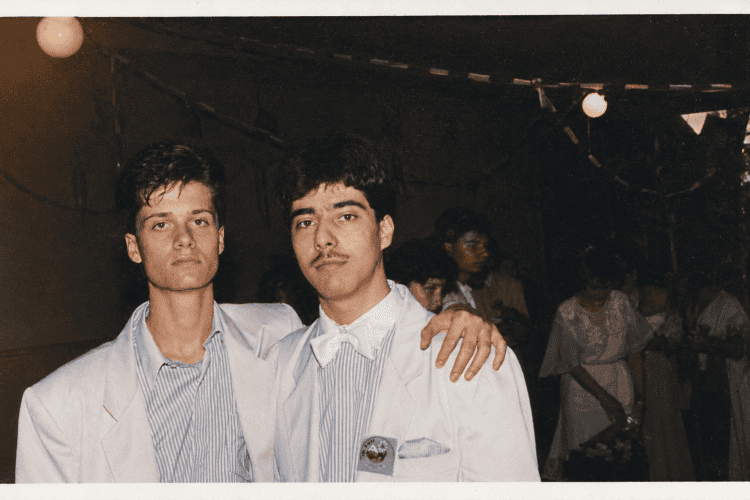
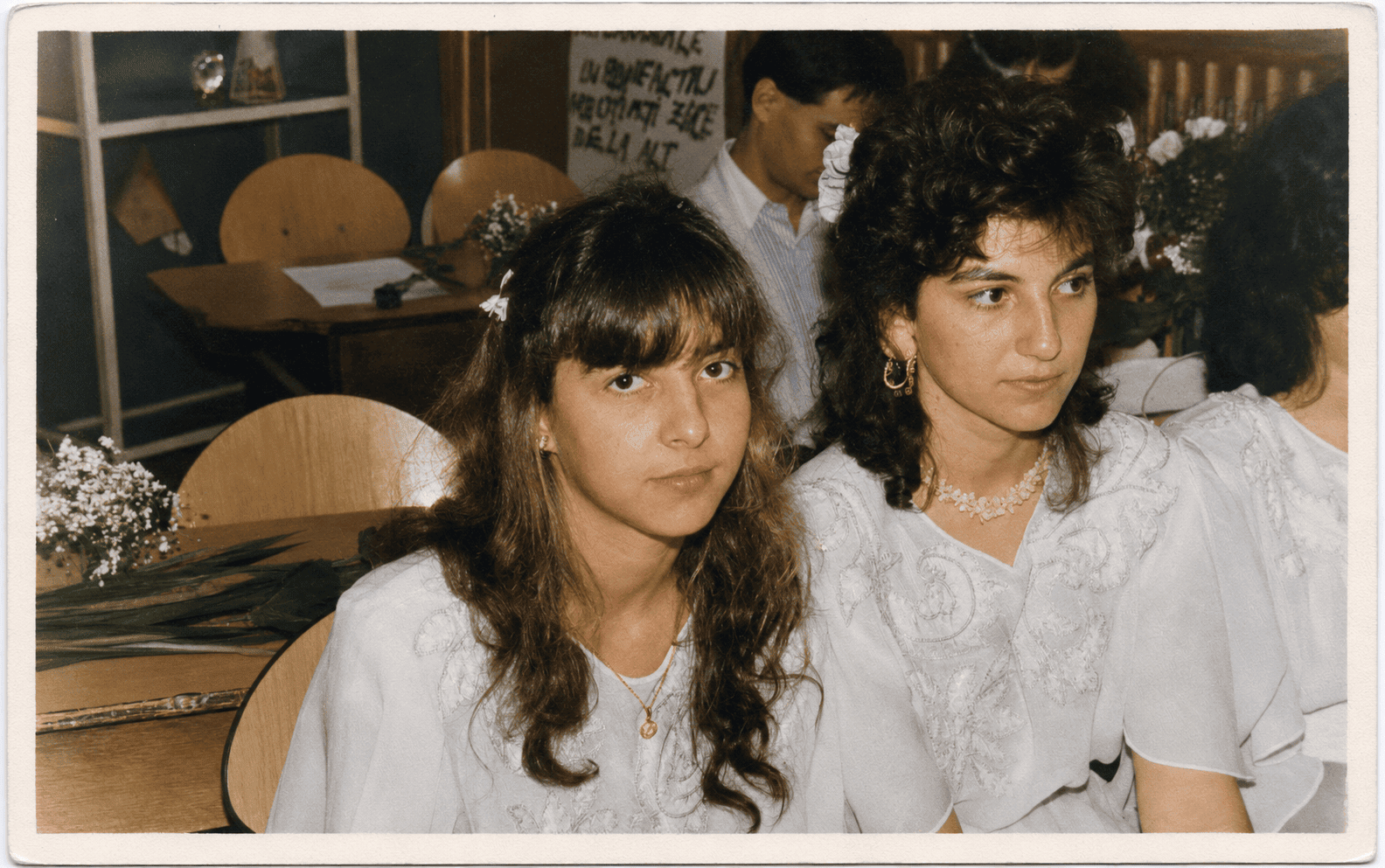
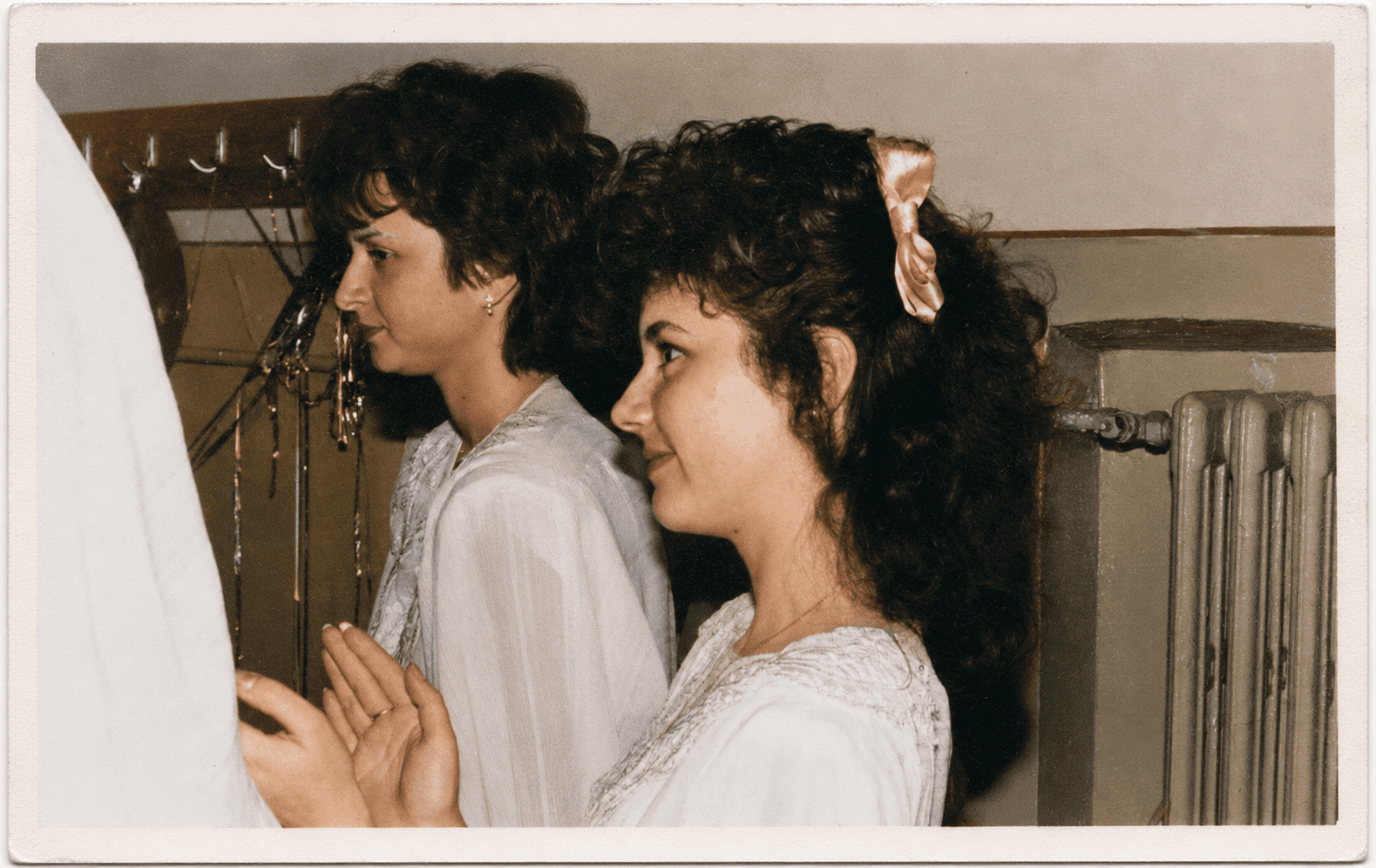
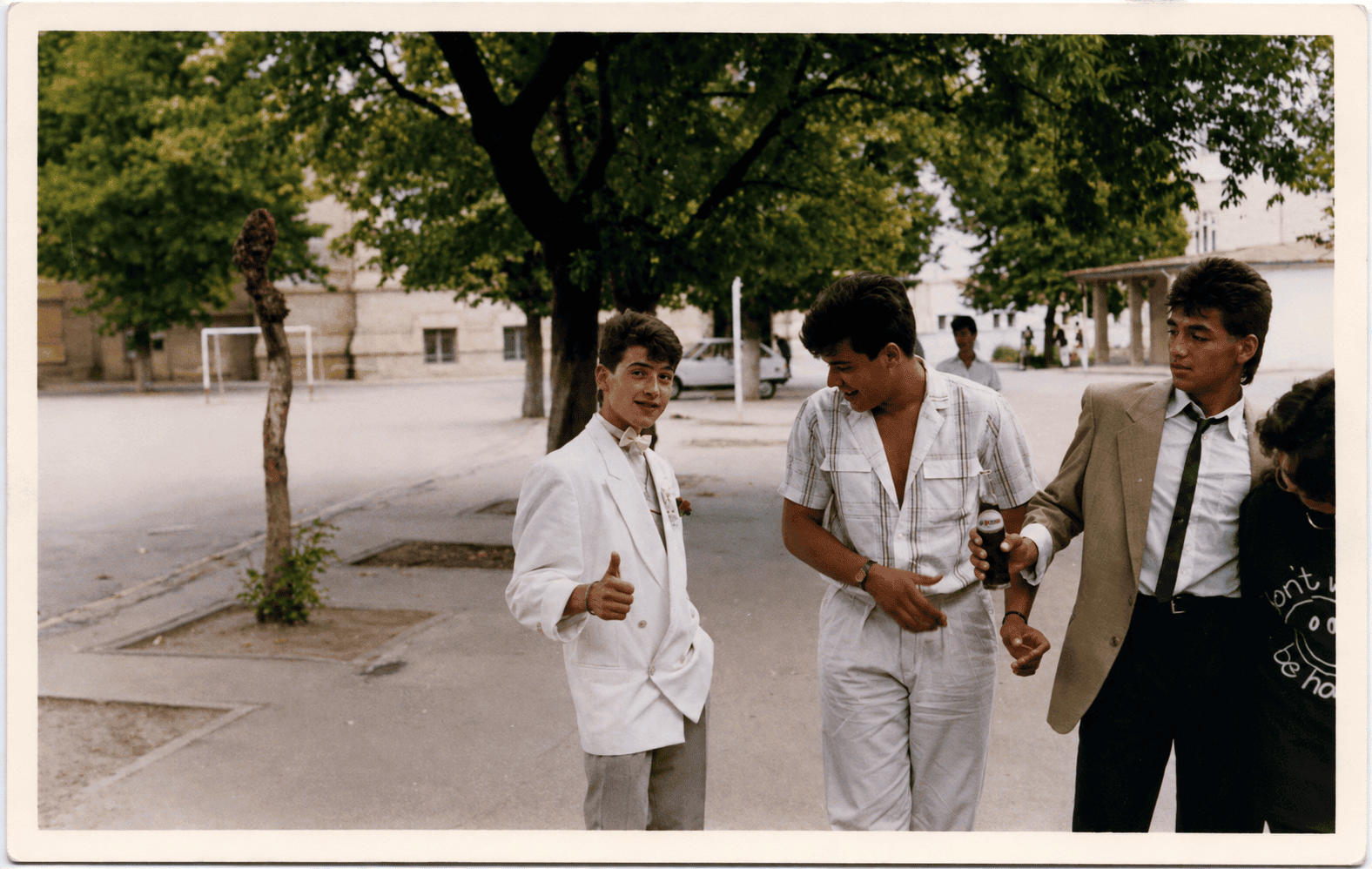
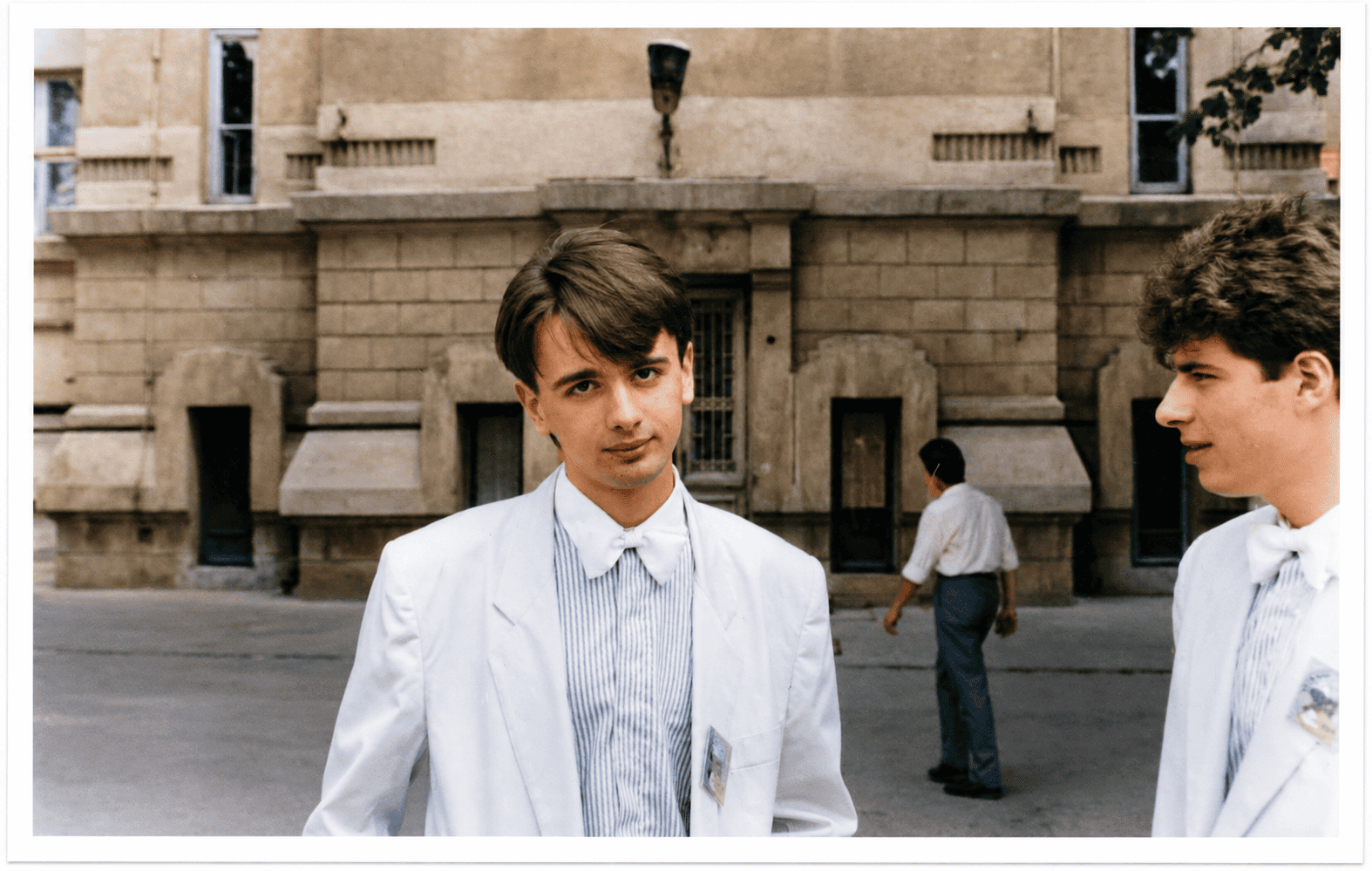
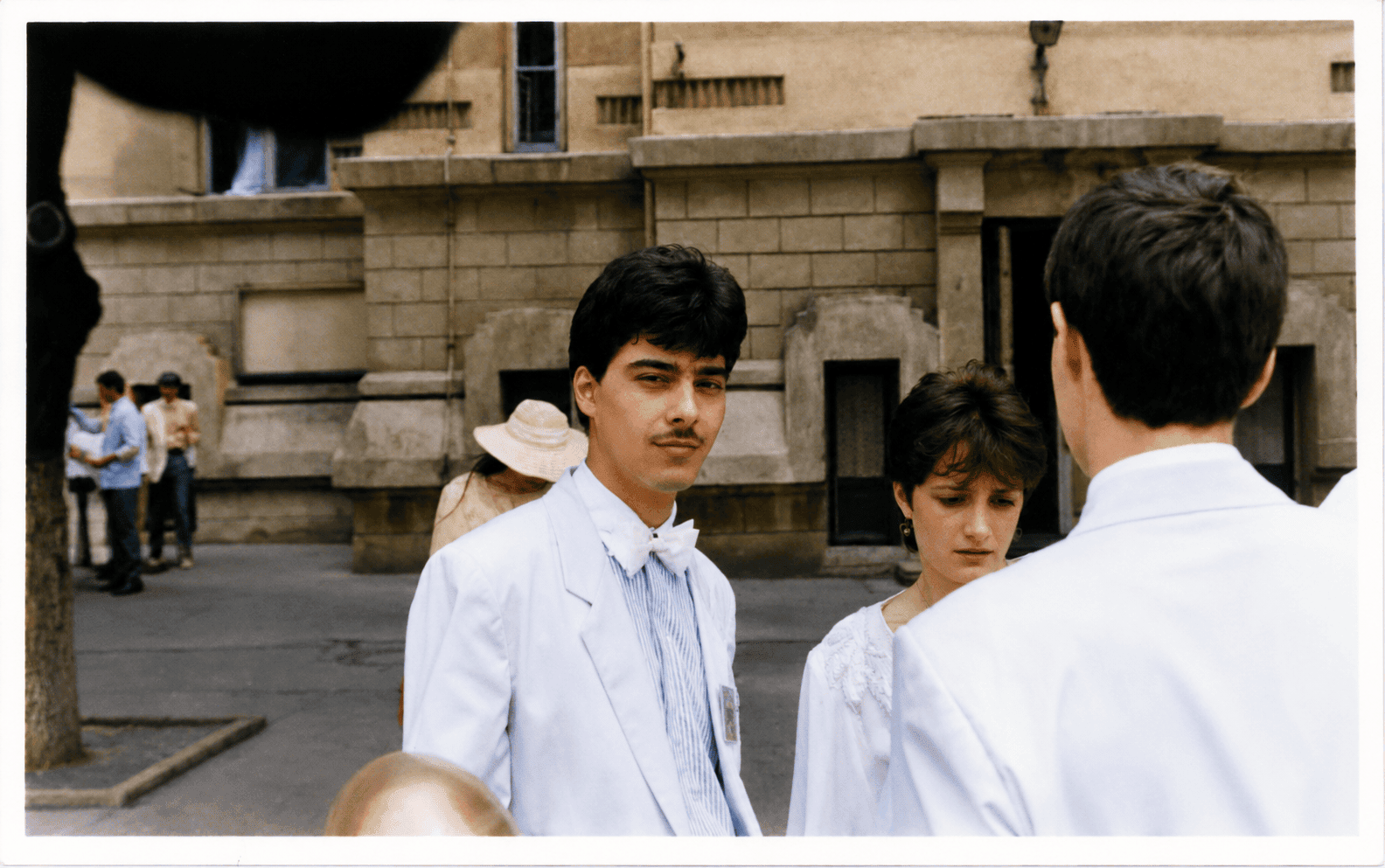
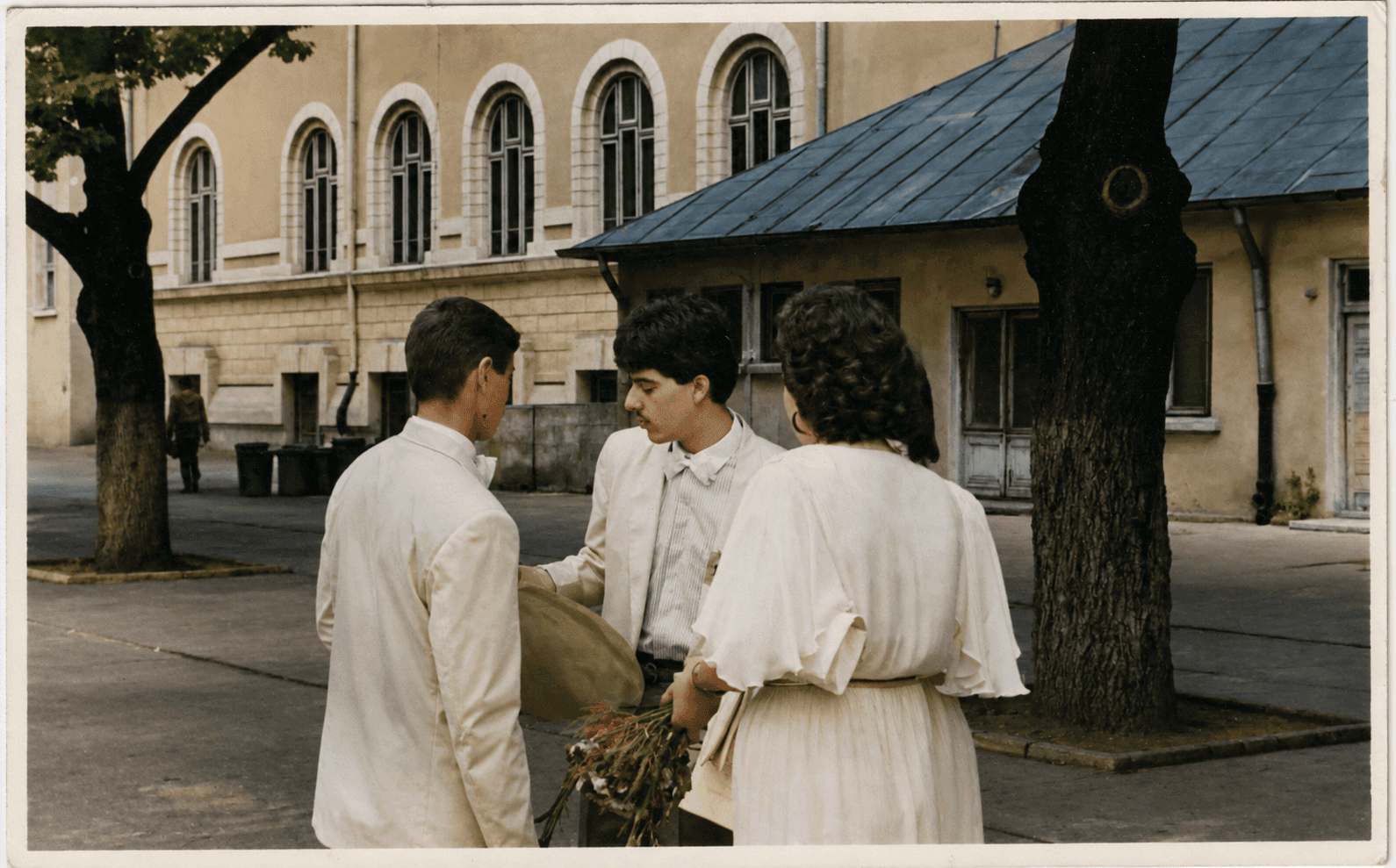
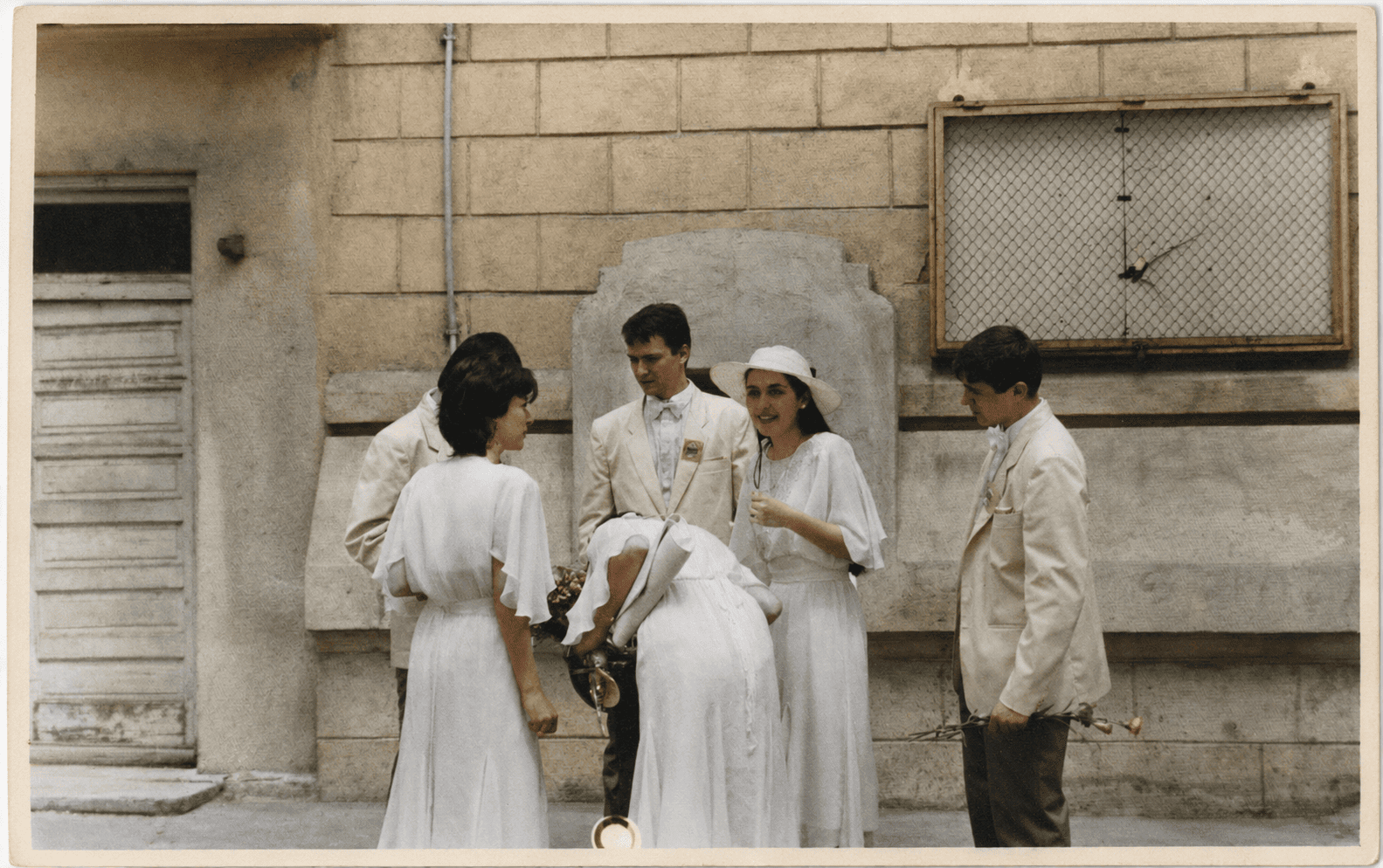
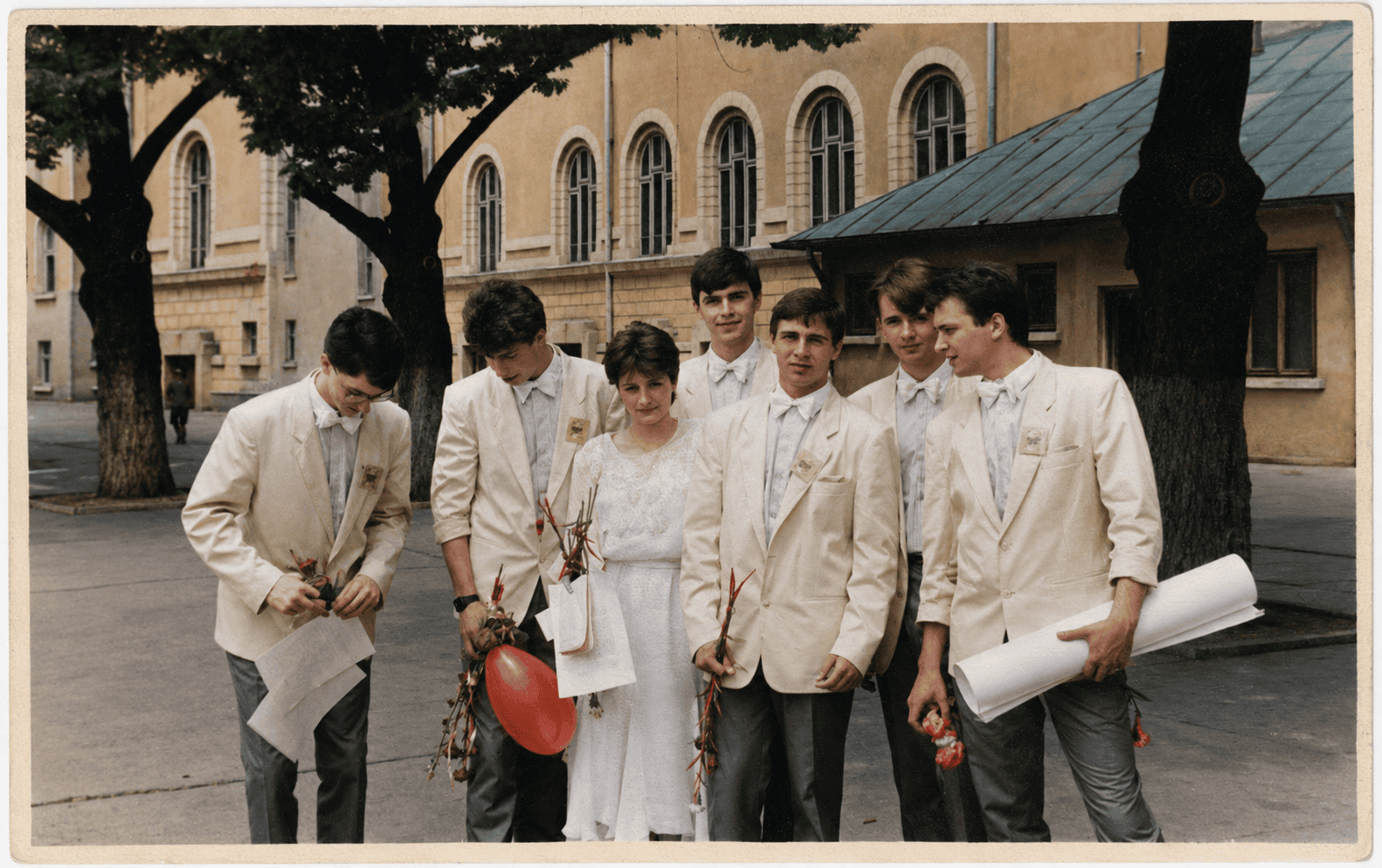
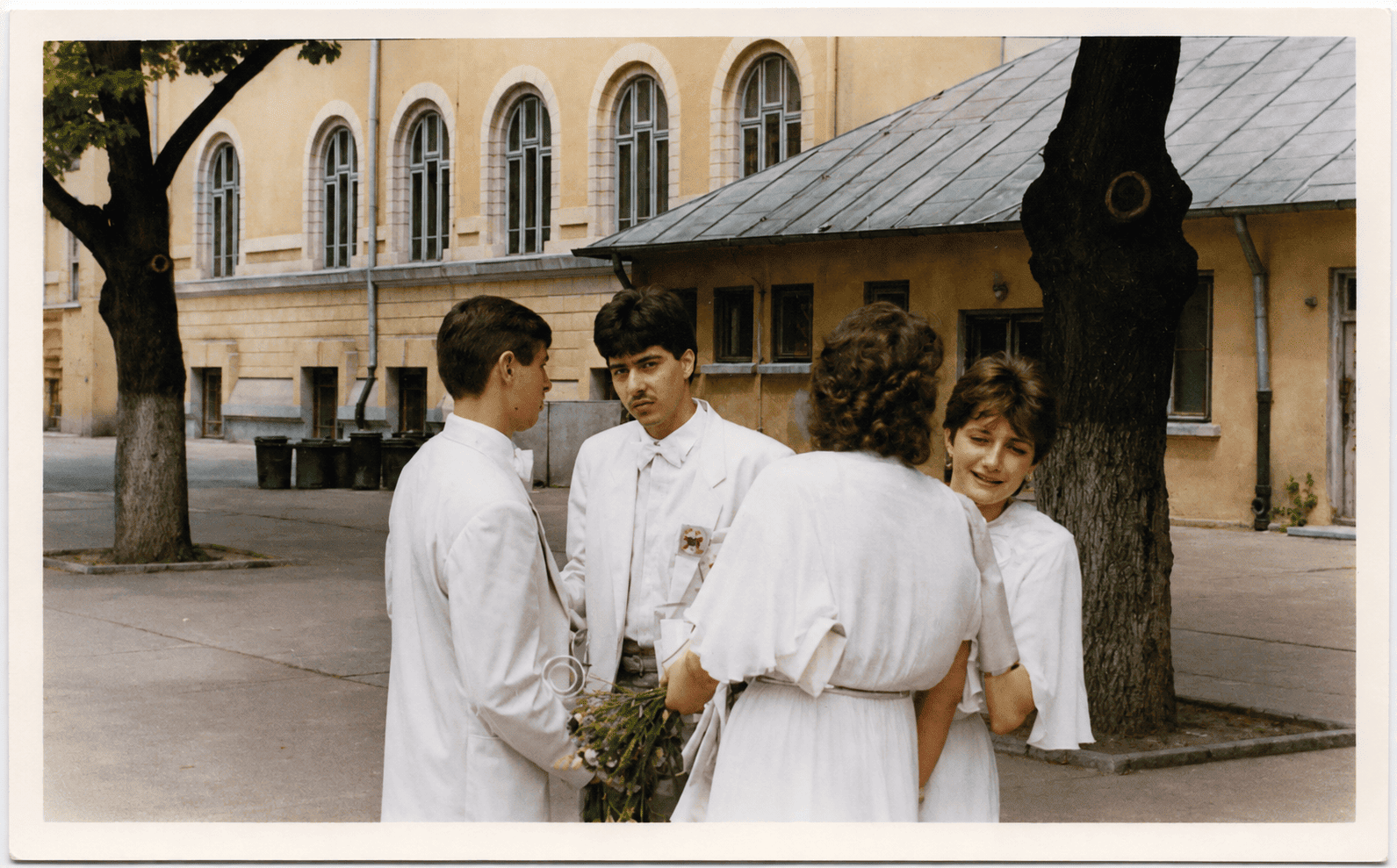
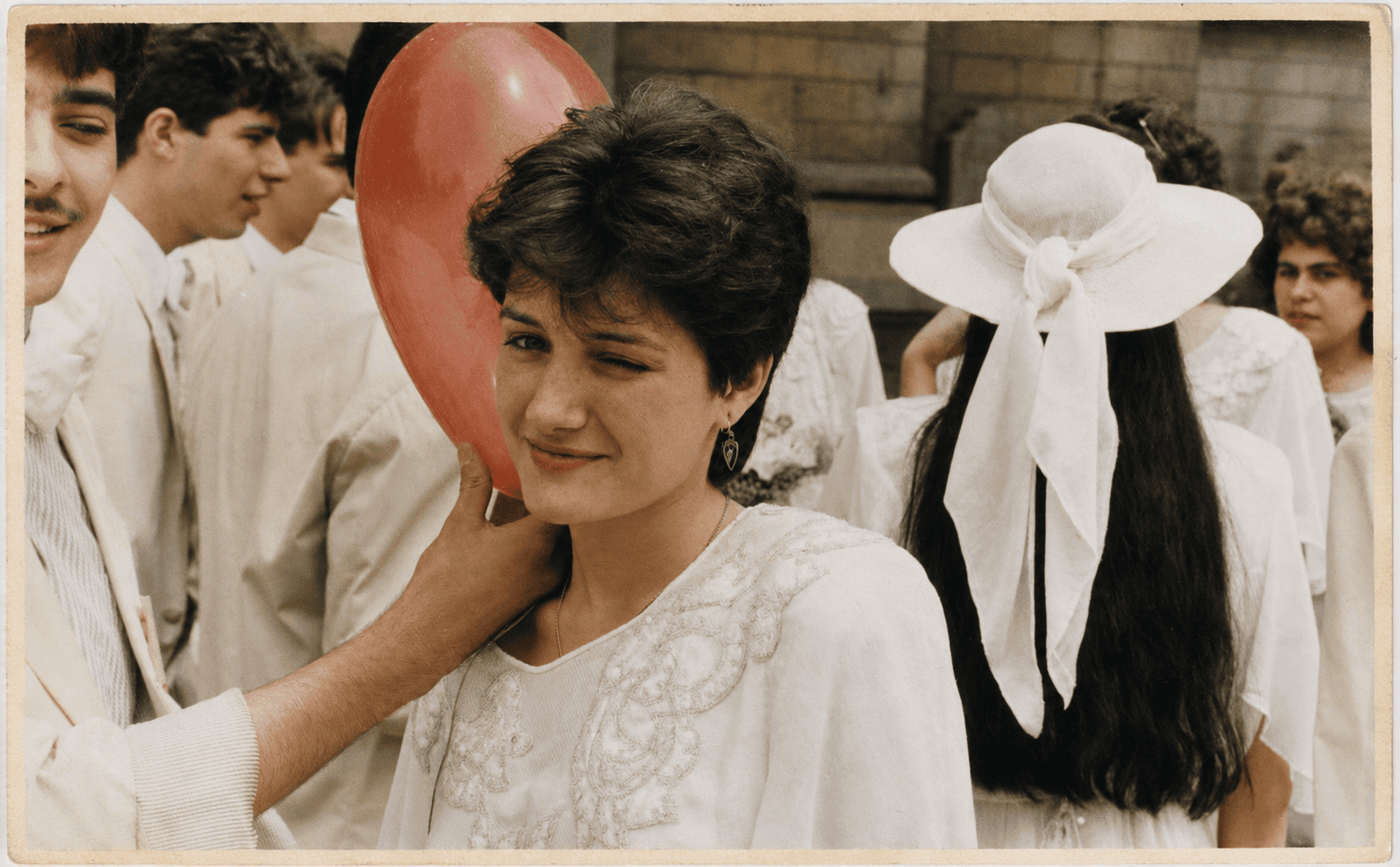
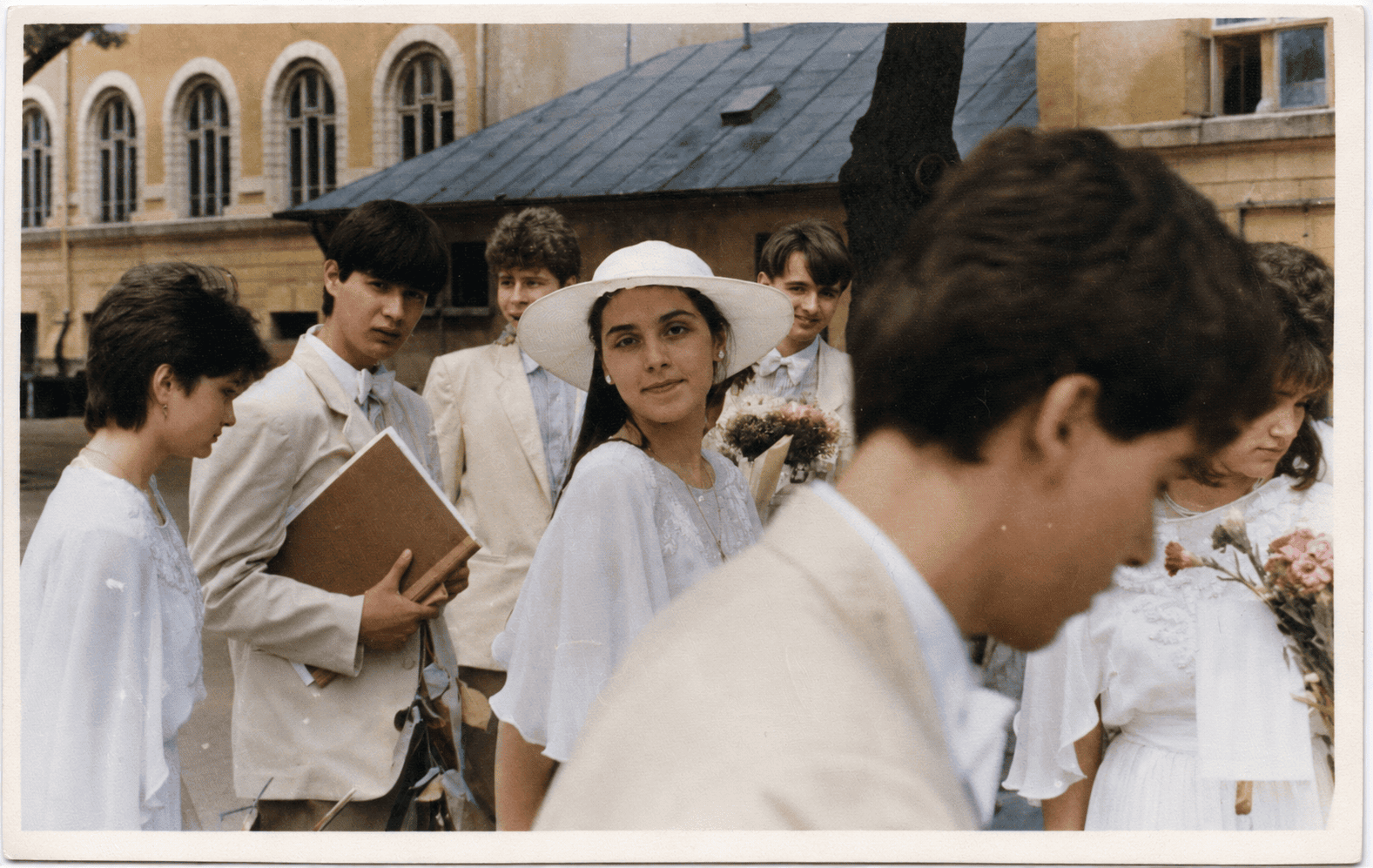
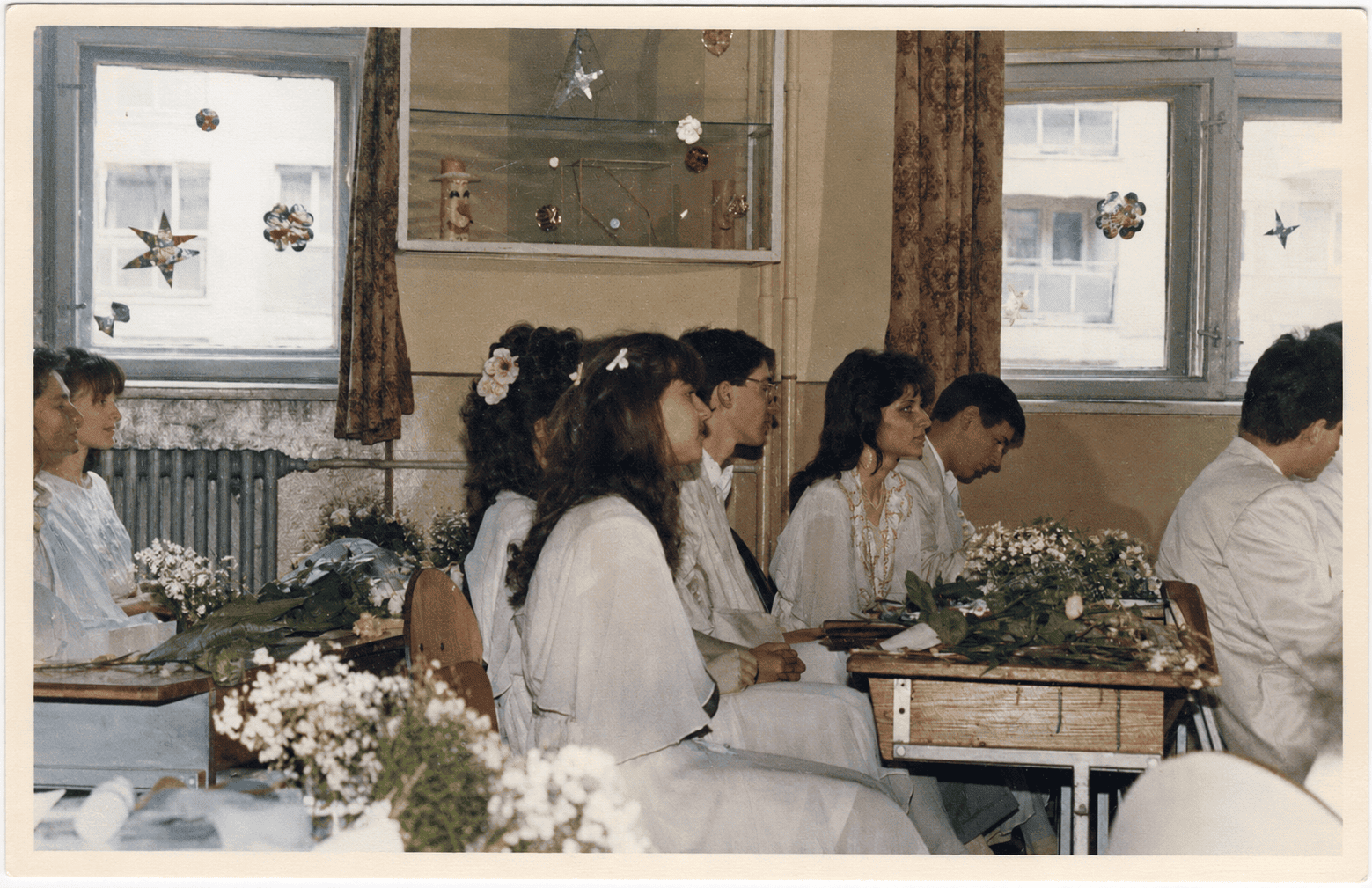
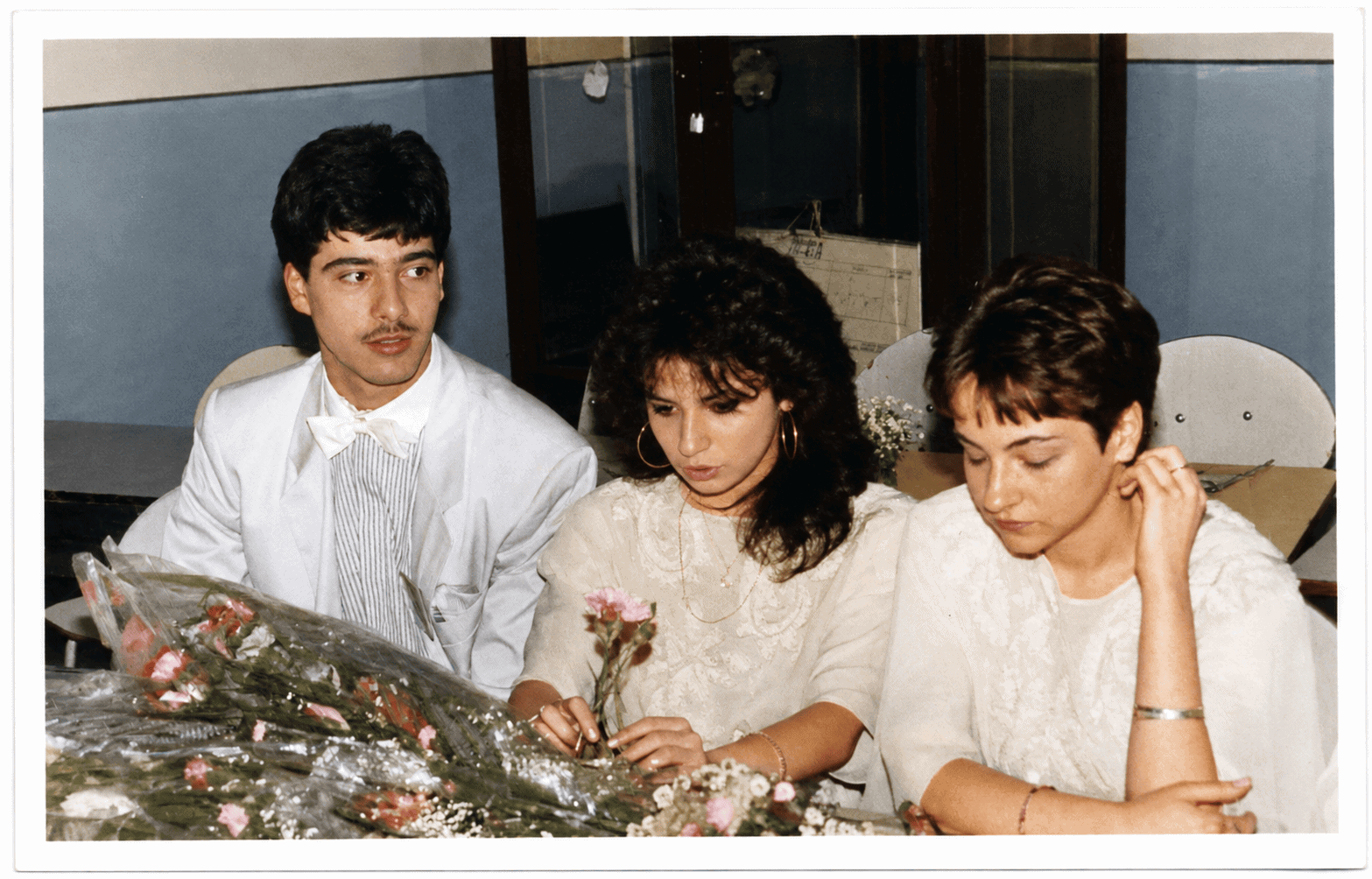
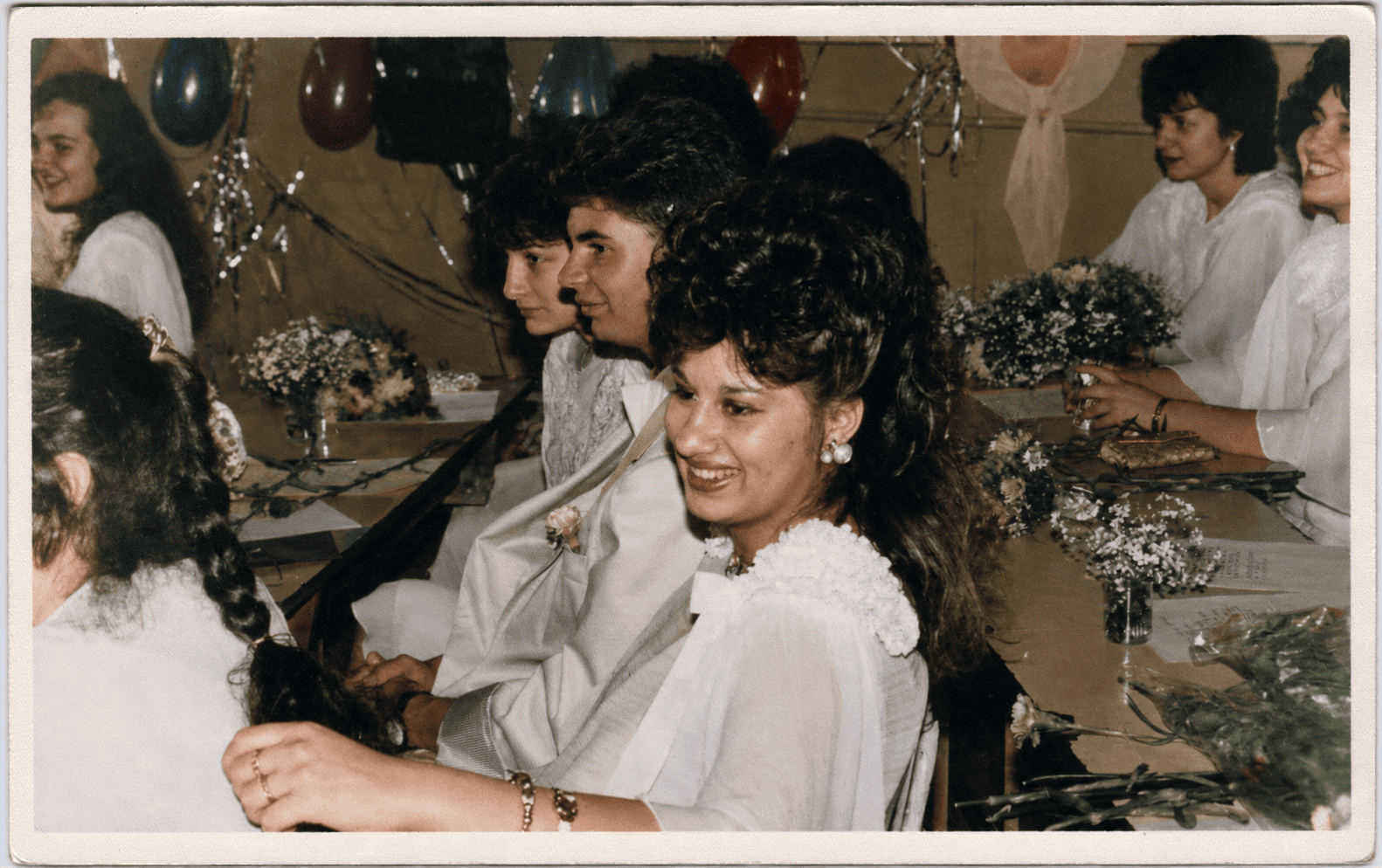
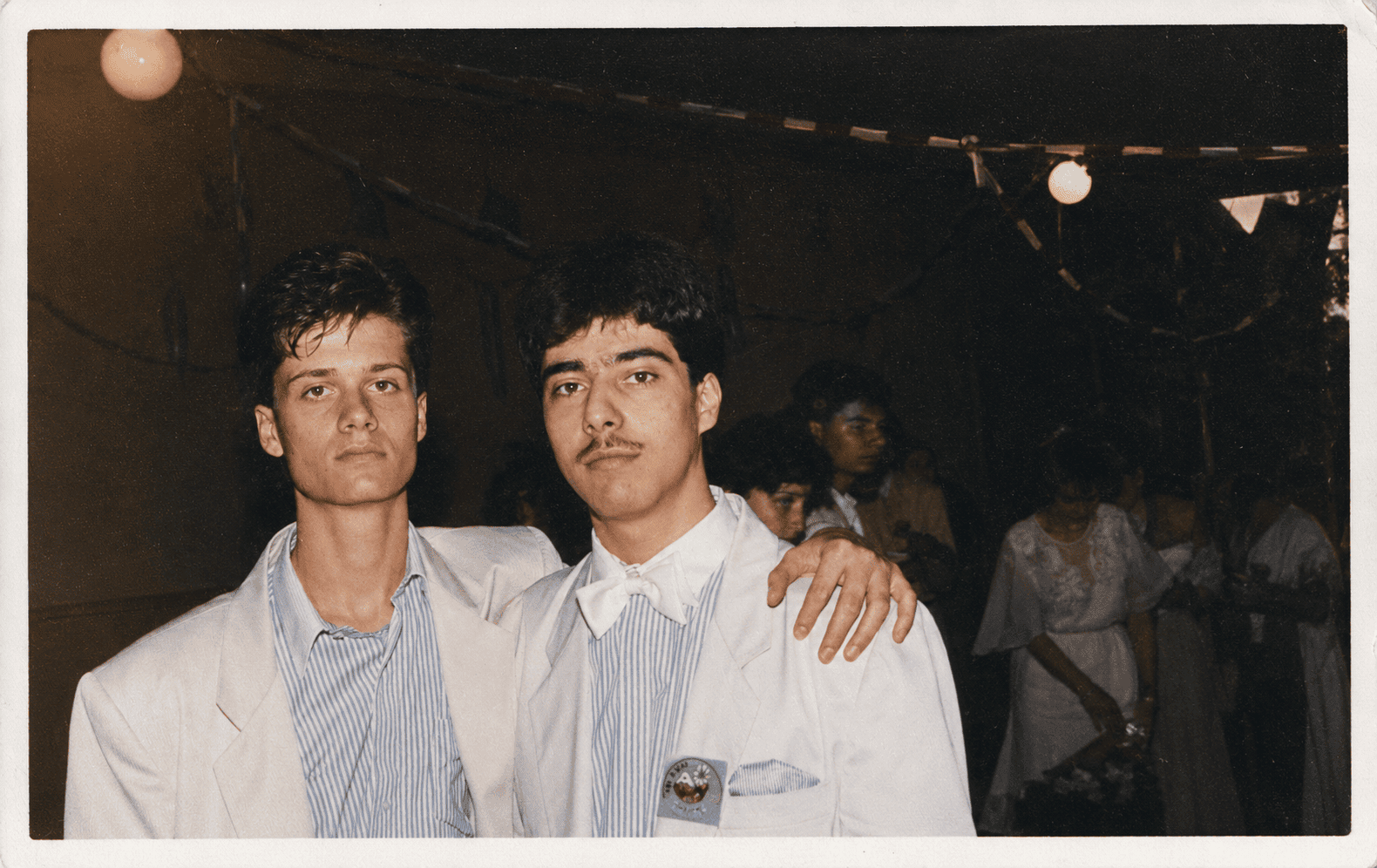
At the end of high school, as tradition demanded, the boys and girls were expected to have special costumes made for the parade.

At the beginning of the school year, our homeroom teacher, Mrs. Rodica Zane, asked all of us to speak to our parents and make the necessary arrangements so that the costumes would be ready for the parade.

Time passed, and none of the children whose parents had every possible resource at their disposal did anything. A few weeks before the event, during one of our final homeroom periods, when our teacher had practically given up hope, I went up to her desk and asked:

“Would you like me to ask my father to have the costumes made?”

Her eyes widened, and she said yes.

I continued:

“I’ll do it for you, because I find it insulting that nobody cares about your requests. I’ll have the costumes made, but I will not take part in the parade, nor will I appear in the photograph. I will not stand alongside these classmates of mine.”
*The term I used at the time was considerably harsher.*

“Please, Mugur. Do it for me.”

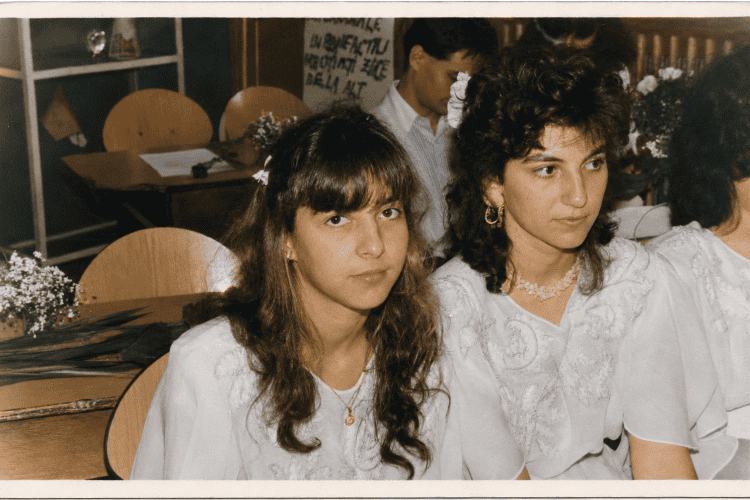
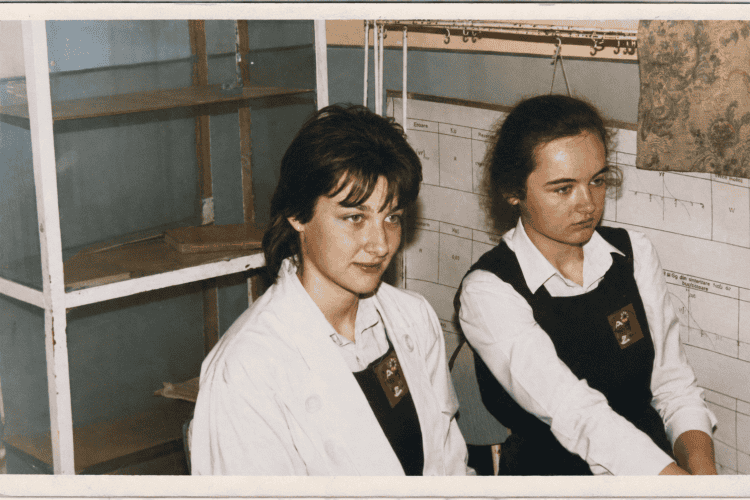
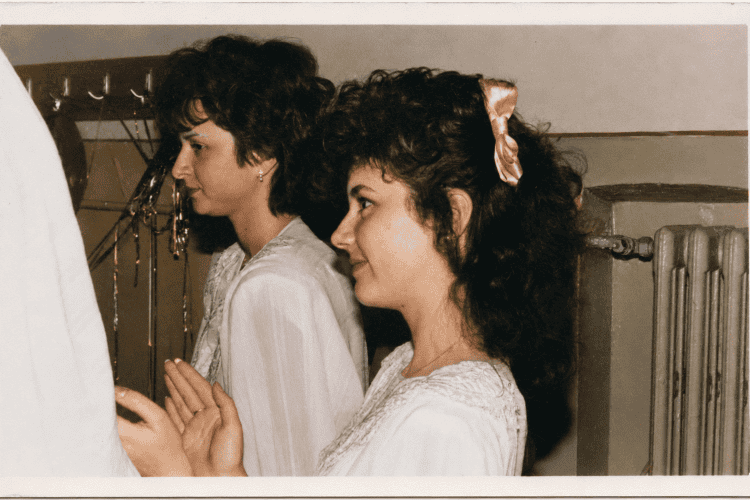
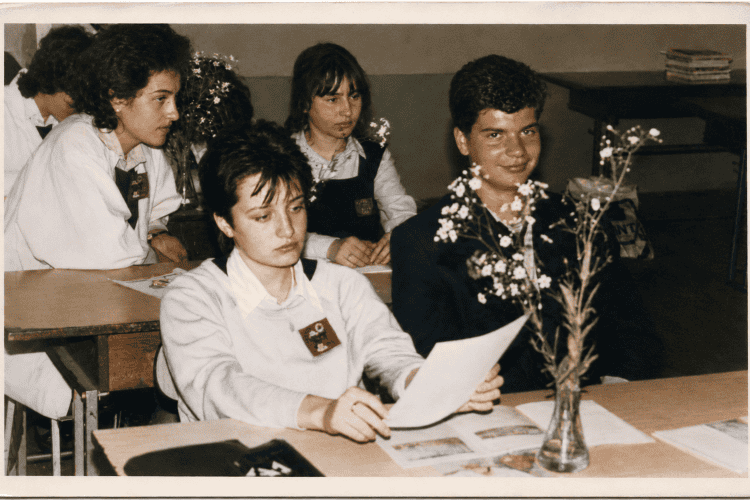
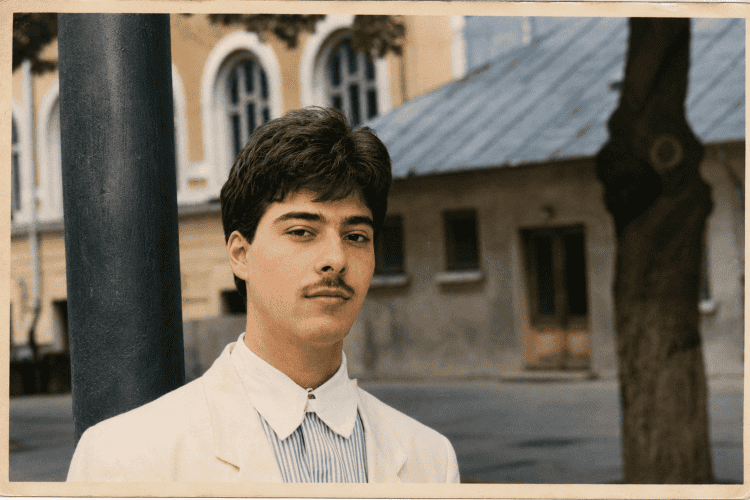
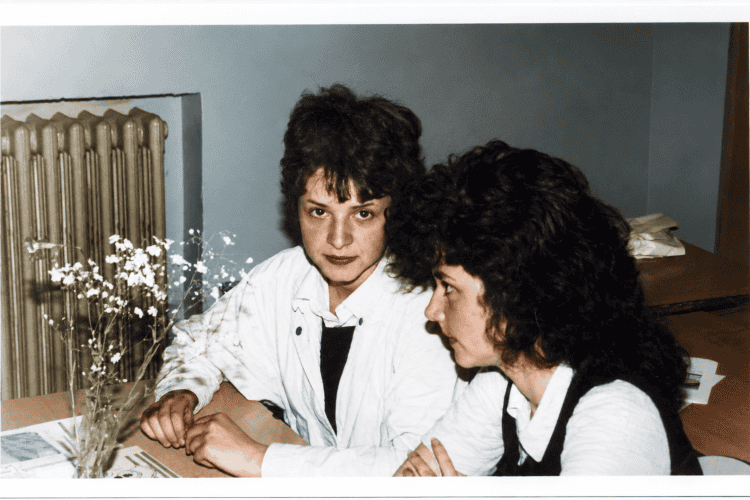
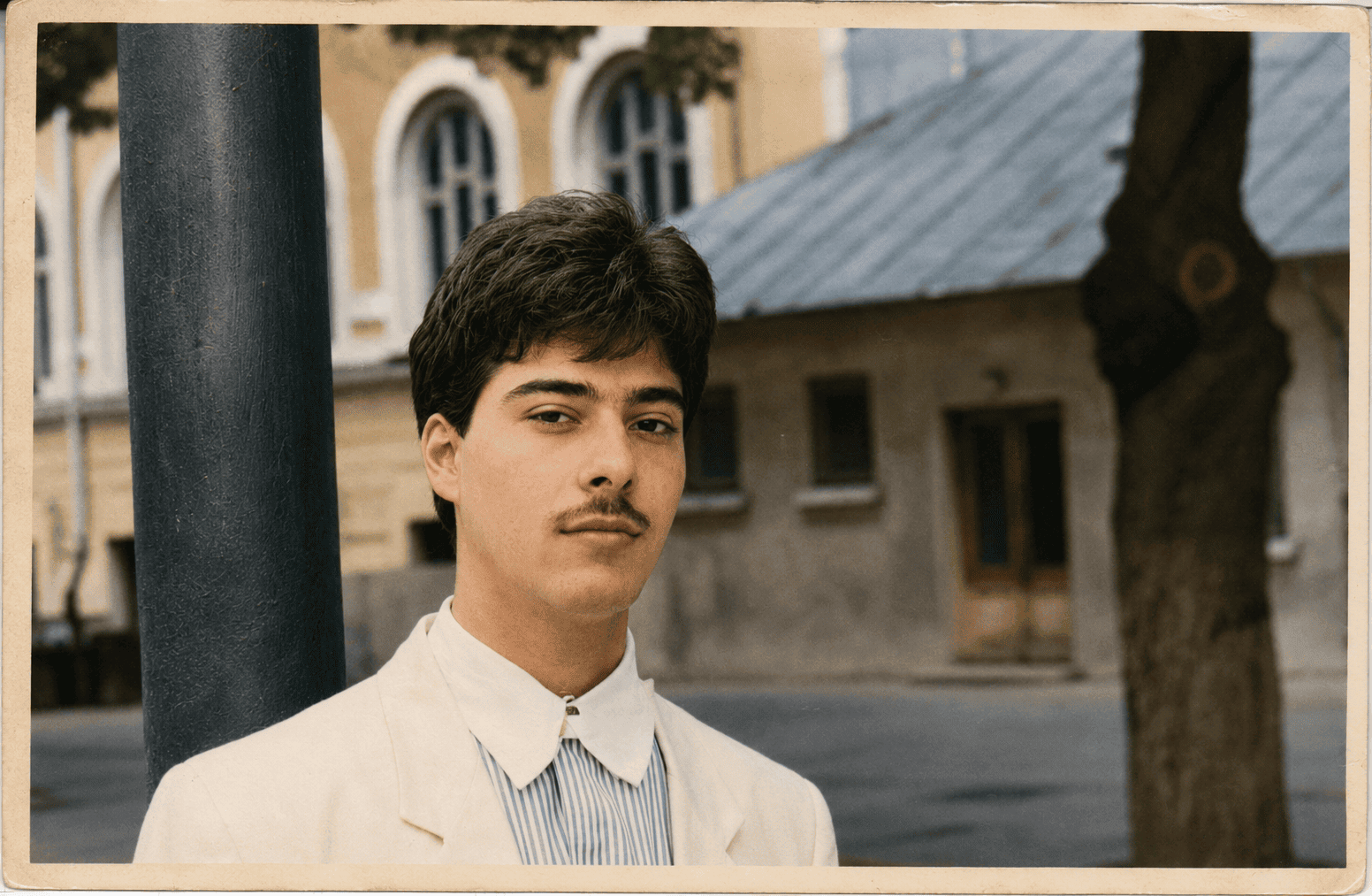
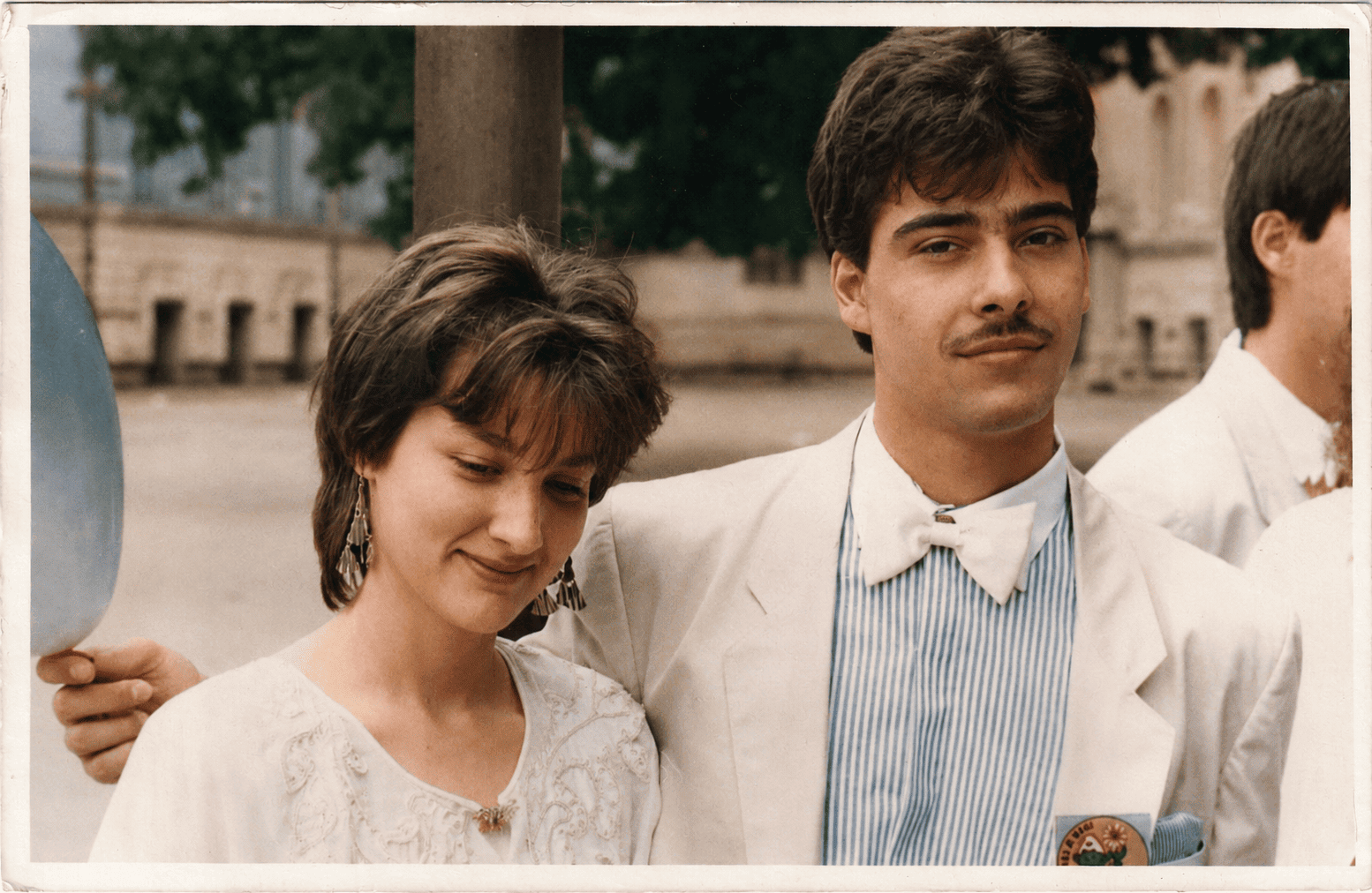
These are the costumes made at APACA, thanks to the intervention of Mrs. Borcan, a director at the National Bank of Romania, who often sought my father’s financial expertise.

Because, in the end, what is the point of rebellion if it is nothing more than a small child’s tantrum—with no cause, no risk, and no benefit to anyone?

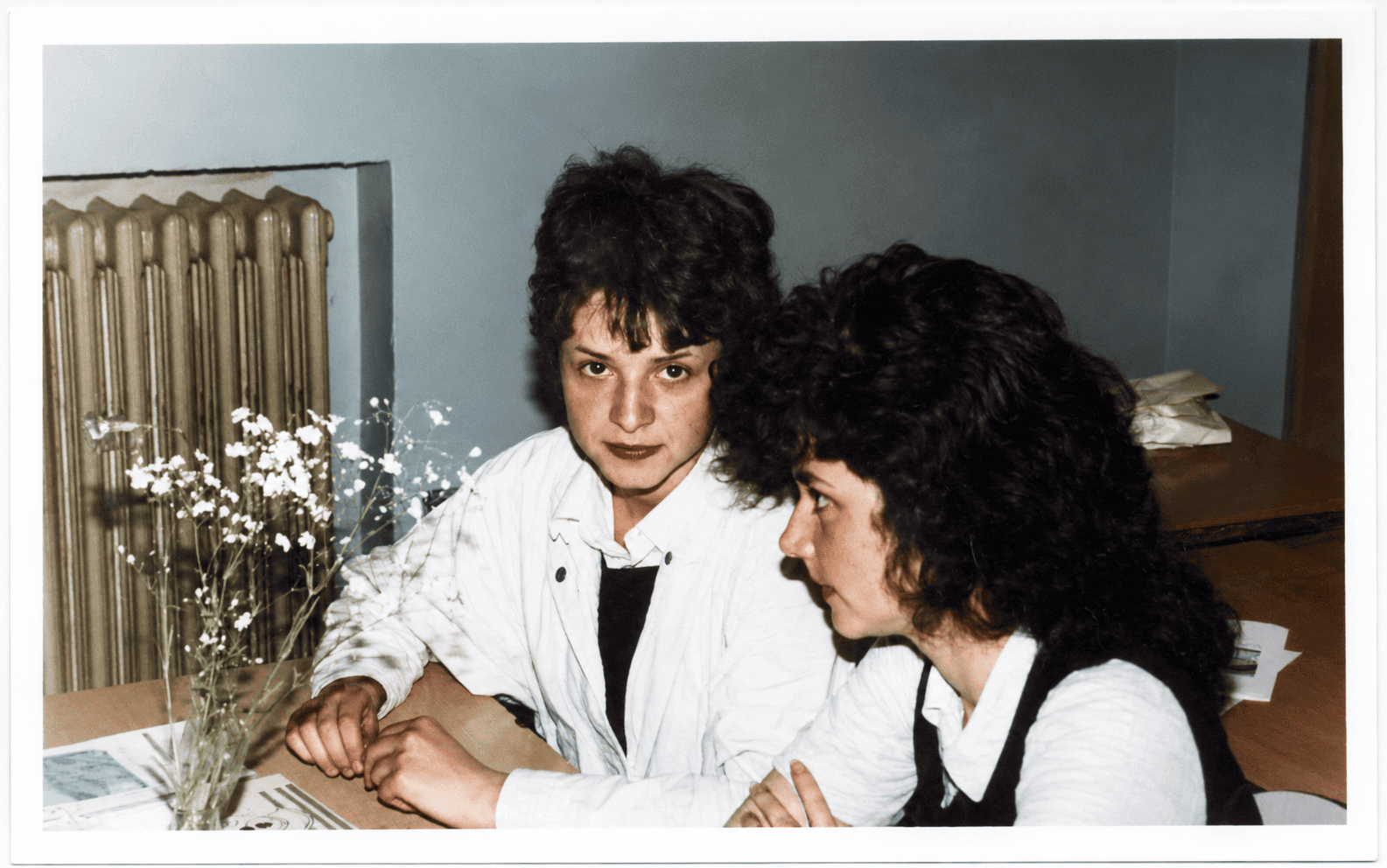
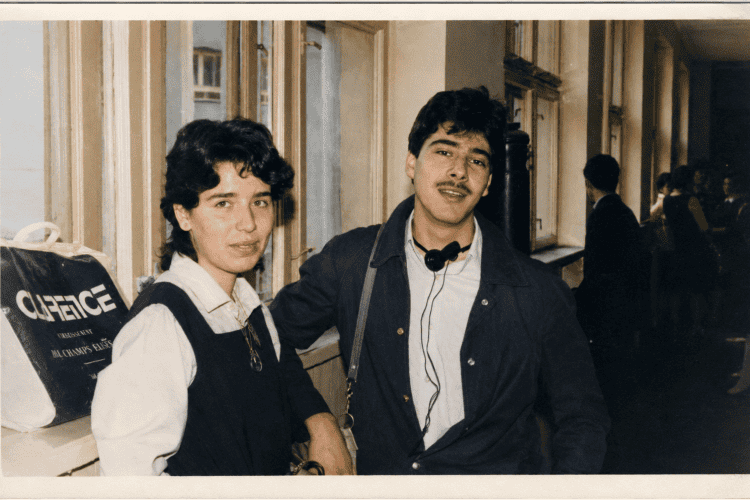
P.S. The class did have two exceptions: Carina, whom I had known since fifth grade and who had been the most diligent student in our class by the time we reached high school, and Mircea, my desk mate throughout all our years of high school—the student who received only one grade of 9, in physical education.

Today, Carina is a doctor in Switzerland, and Mircea is a doctor in France.